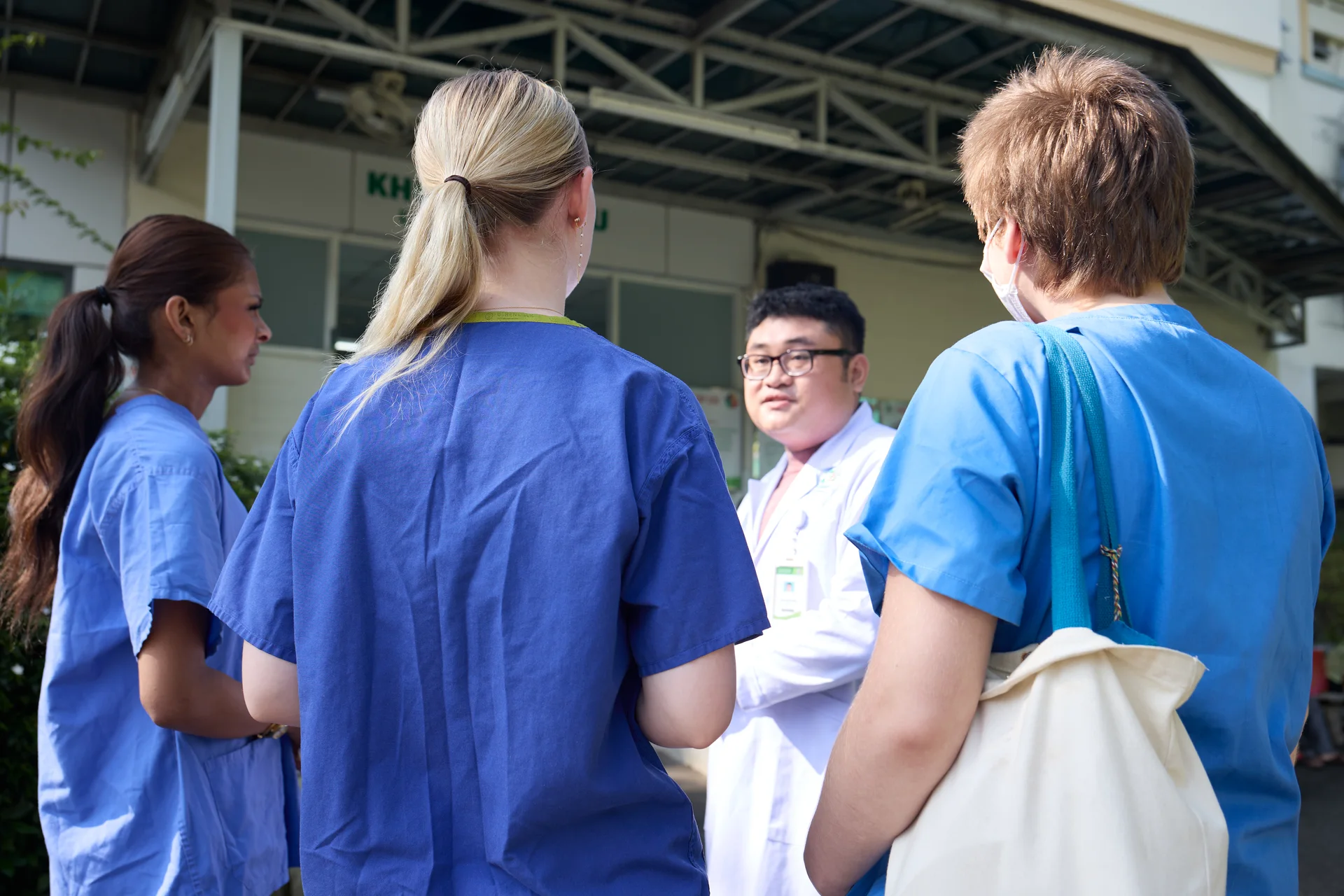
Medical Volunteer Programme in Da Nang
Combine professional clinical placement at a premier general public hospital with coastal living in Vietnam's most liveable city.
Placement Overview in Da Nang
Are you seeking a balanced medical placement combining intensive hospital observation with coastal community life? Da Nang is celebrated as Vietnam’s most dynamic coastal hub, featuring modern general hospitals that serve both metropolitan residents and surrounding rural provinces.
During your programme, you will rotate through specialist departments at a leading public general hospital in Da Nang. You will observe medical consultations, diagnostic procedures, inpatient wards, and complex surgical interventions alongside seasoned Vietnamese doctors and healthcare professionals.
With a collaborative hospital culture and manageable clinical scale, Da Nang offers volunteers an intimate learning environment to understand regional healthcare management, traditional medicine integration, and community rehabilitation.
Available Departments & Clinical / Activity Areas
Who Can Participate?
The programme is open to university students currently studying Medicine, Healthcare or related fields, who are interested in gaining practical experience and developing a first-hand understanding of Vietnam’s healthcare system.
Volunteer Roles and Experience
While your primary role is to observe and learn, some volunteers may be given the opportunity to participate in certain basic practical activities, depending on their field of study, experience and the approval of their hospital supervisor.
These activities may include measuring blood pressure, checking blood glucose levels, recording body temperature, assisting with wound dressing and other basic patient-care tasks.
For volunteers with appropriate qualifications and experience, participation in certain more advanced clinical procedures, such as assisting with injections or intravenous (IV) procedures, may be considered where specifically authorised and directly supervised by the responsible healthcare professional.
It is important to note that all practical activities must be carried out within the volunteer’s scope of competence, in accordance with hospital regulations and under the guidance of healthcare professionals.
Discover Da Nang at the Weekend
Weekends offer the perfect opportunity to explore beyond your volunteering programme. Take time to experience Da Nang’s coastal beauty, discover the stories behind the historic streets of Hoi An, or enjoy the stunning natural landscapes of the Son Tra Peninsula and Ba Na Hills. Each trip is a chance not only to discover new places, but also to gain a deeper understanding of Vietnam’s culture, way of life and rich diversity.
Essential Practical Information
Accommodation & Meals Guide
Read about our dedicated 4-story volunteer house, room amenities, and home-cooked Vietnamese meals.
What's Included & Inclusions
Clear overview of airport pick-up, local orientation, 24/7 coordinators, and out-of-pocket expenses.
Da Nang Placement Facts
Da Nang, Vietnam
18+ years old
2 - 12 Weeks
Monday - Friday
Volunteer House
24/7 Coordinator
Located in the city centre, approximately 10 minutes from the hospital by bike/car.
Wear medical scrubs and a face mask. Remove all jewellery before entering the operating theatre.
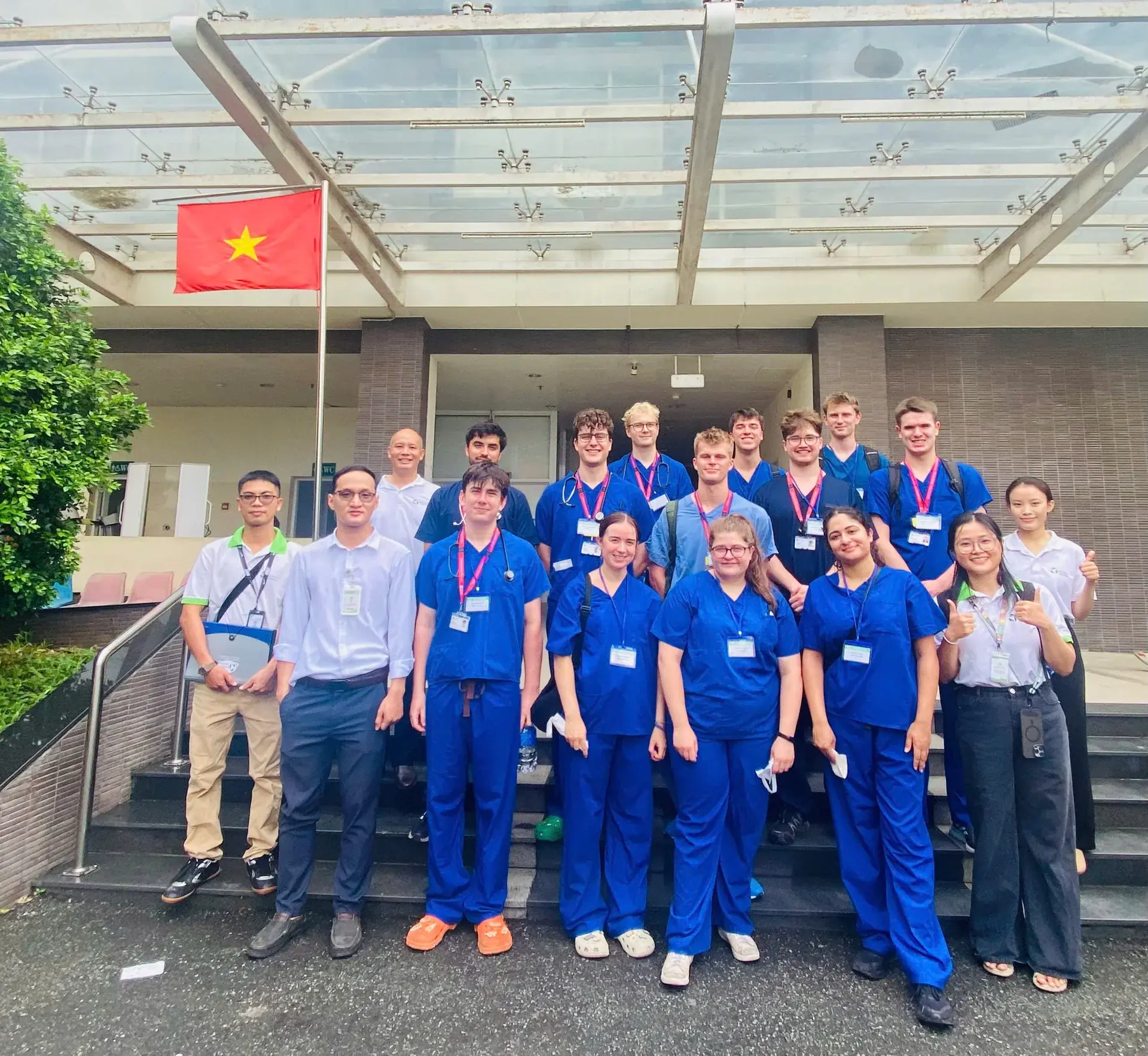
Frequently Asked Questions
1. What is the weekly schedule for medical students? +
Placements run from Monday to Friday, with flexible schedules in the morning, afternoon or throughout the day, depending on the requirements of each department and the supervising doctor's schedule. In departments such as Anaesthesiology and Intensive Care or Surgery, attendance depends on the hospital's operating schedule. Each surgical observation session typically lasts between 2 and 5 hours, depending on the nature and duration of the procedure.
2. Could I choose my preferred medical department? +
You are welcome to share a list of the medical departments you would like to experience during your placement. Our hospital programme coordinator will review your preferences and do their best to arrange a suitable placement, taking into account your learning goals, each department’s availability and the hospital’s operational needs at the time of your arrival. We will make every effort to accommodate your preferences as far as possible.
3. Could I change departments during my placement? +
You are generally expected to spend at least one week in each department before moving on to another. Department rotations usually take place every Monday morning.
You may request to change departments during your placement. However, please notify us at least 5–7 days in advance so that our team has sufficient time to liaise with the hospital and arrange a suitable schedule. If you do not provide notice within this timeframe, you will need to continue with your original placement schedule.
4. How many students are assigned to each department? +
At public hospitals, each department typically accommodates around 2–5 volunteers at a time. At private hospitals, the limit is generally two volunteers per department to ensure a more focused learning environment and adequate supervision. Actual capacity may vary depending on the department and the hospital’s arrangements at the time of your placement.
5. What activities can I participate in at the hospital? +
Depending on your medical speciality, knowledge and experience, you may have the opportunity to take part in basic activities such as measuring vital signs (blood pressure, temperature and heart rate), assisting with patient care, attending clinical discussions, learning about patient cases, and observing medical procedures or surgical operations where permitted by the hospital.
Please note: You must not handle needles or perform any medical procedures without proper authorisation. Access to operating theatres and the opportunity to observe surgical procedures are subject to hospital regulations and the department to which you are assigned.
6. Who should I contact if I encounter a problem during my placement? +
If you encounter any difficulties during your hospital placement, please don’t hesitate to reach out to your programme coordinator. We’re always here to listen, offer support and work with you to find a suitable solution, helping you enjoy a safe, positive and meaningful placement experience.
7. Will I receive a certificate or confirmation of my placement? +
Upon successful completion of the programme, you will receive certificates from both the hospital and Outreach Vietnam, recognising your participation and the experience you have gained throughout your placement.
8. What should I wear and bring to the hospital? +
Please ensure you bring your medical uniform and a face mask with you to the hospital. If you are scheduled to observe procedures in the operating theatre, you must remove all jewellery, including rings, bracelets, necklaces and watches, even if you are only observing and will not be directly involved in the procedure. This helps ensure compliance with hospital hygiene, infection prevention and safety protocols.
9. Do I need to speak Vietnamese to participate? +
You don’t need to be fluent in Vietnamese to take part in the programme. However, learning a few basic phrases, such as greetings and expressions of thanks, can help you make a positive impression and build rapport with doctors, healthcare professionals and patients.
Language barriers are an inevitable part of your placement, as not all doctors and healthcare professionals speak English fluently. Nevertheless, this also offers an opportunity to strengthen your communication skills, adapt to a multicultural environment and gain fresh perspectives on Vietnam’s healthcare system. Sometimes, these very differences can lead to the most memorable learning experiences.
10. How will I travel between my accommodation and the hospital? +
Transport arrangements will depend on your placement location. You may travel by bus, walk to nearby destinations in Da Nang, or cycle, depending on the distance and the most convenient route. Our team will guide you in choosing the most suitable transport options for travelling between your accommodation and the hospital.
More Than Photos, Stories That Make a Difference
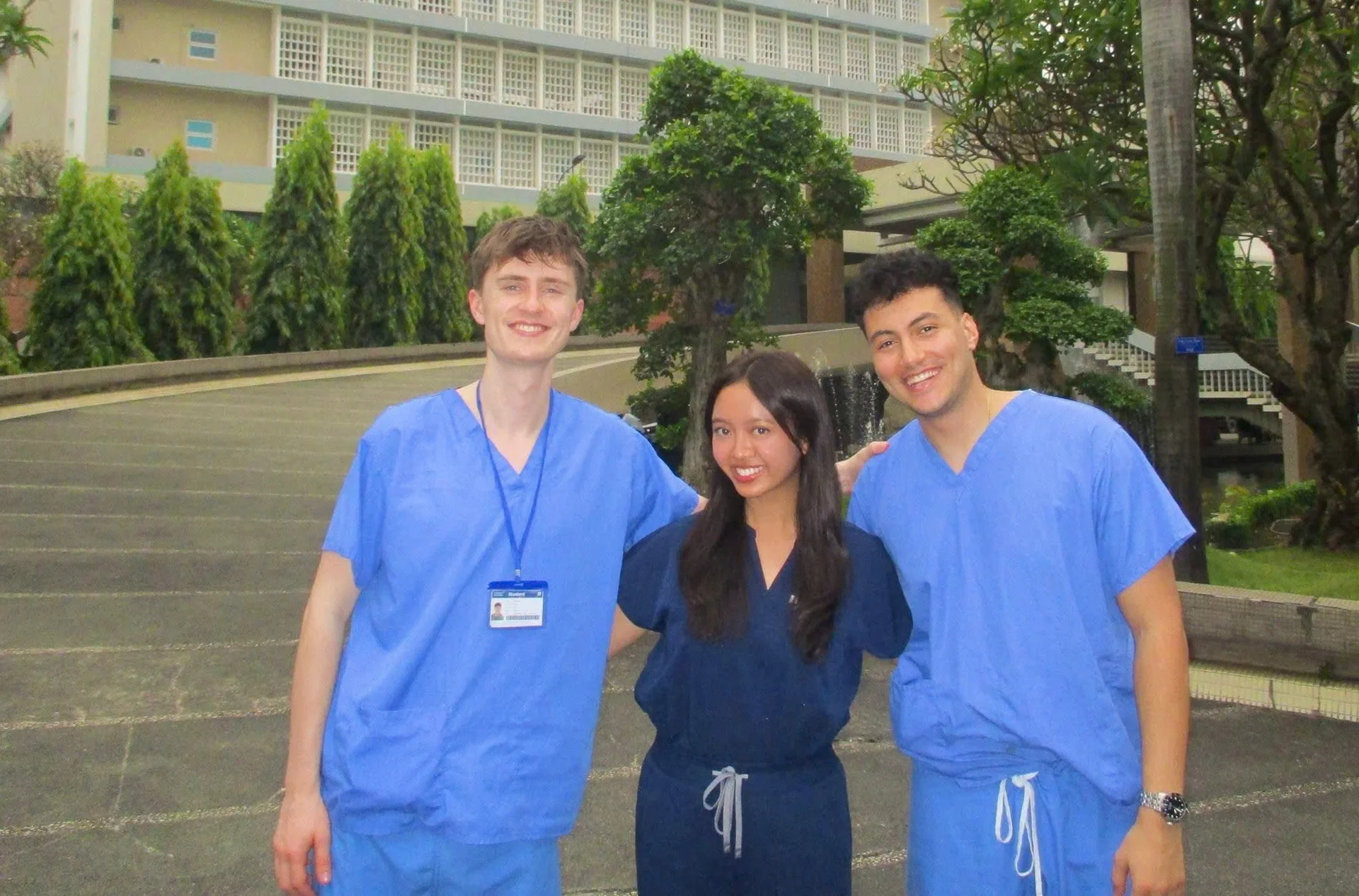
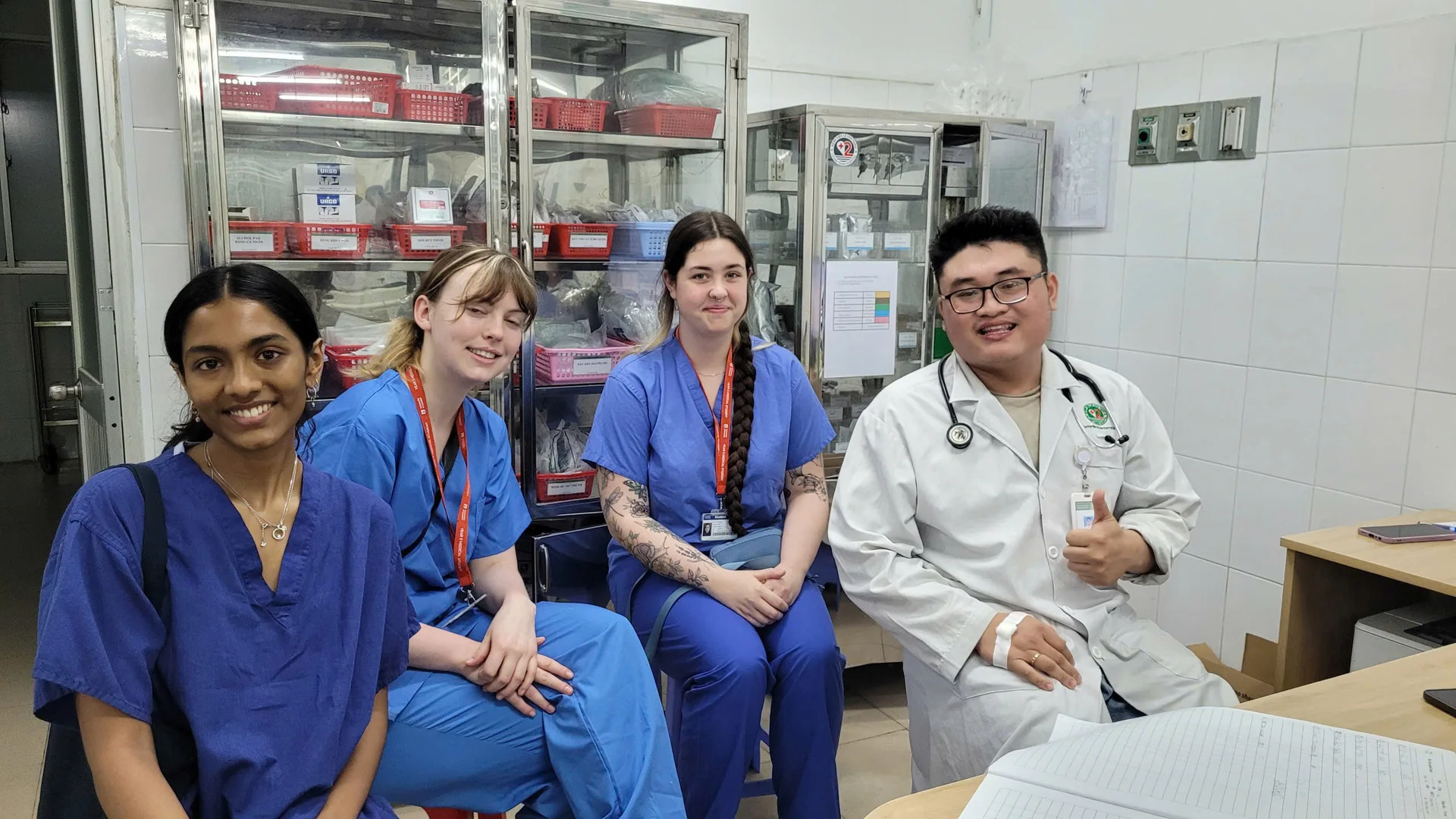
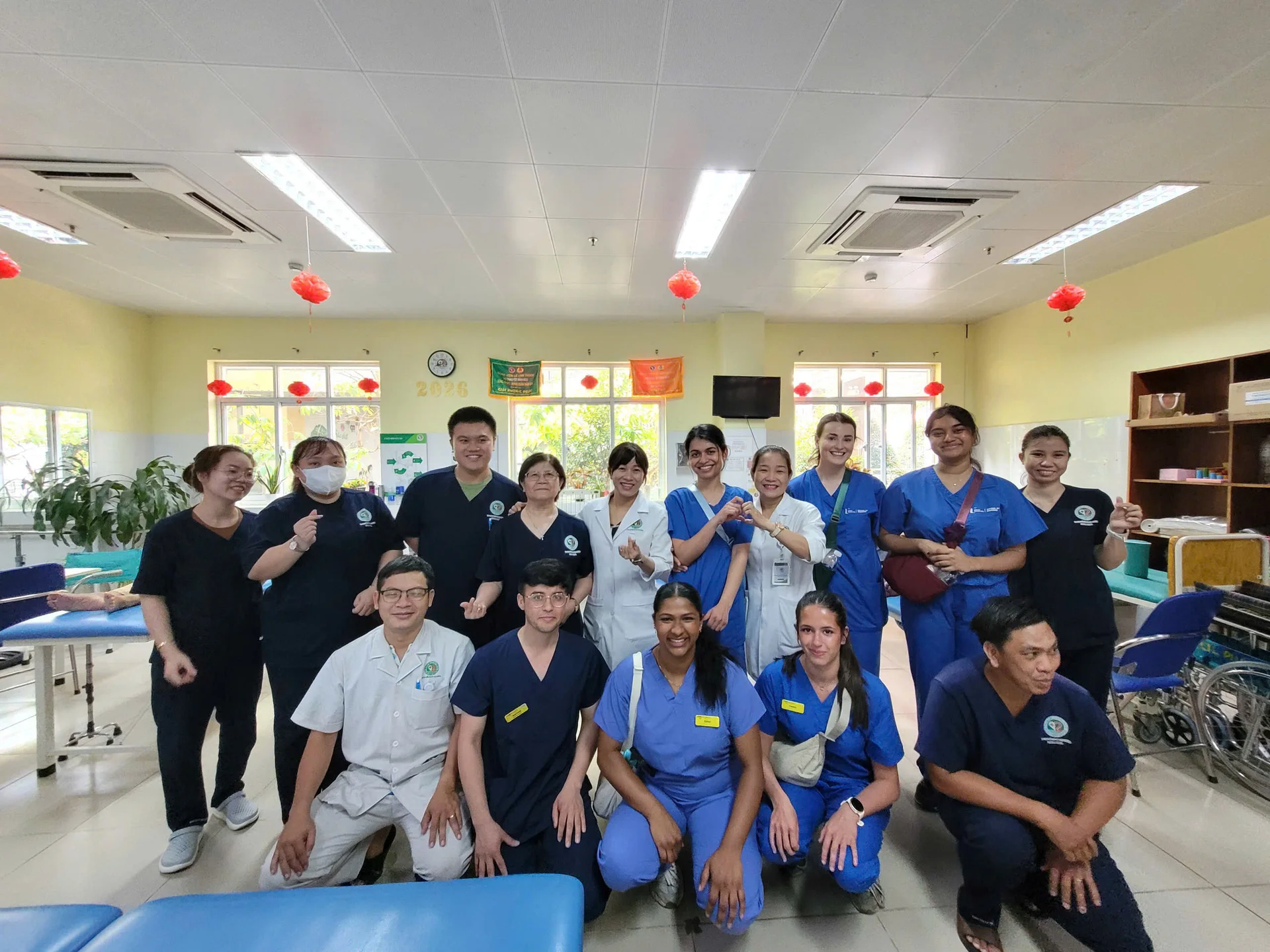
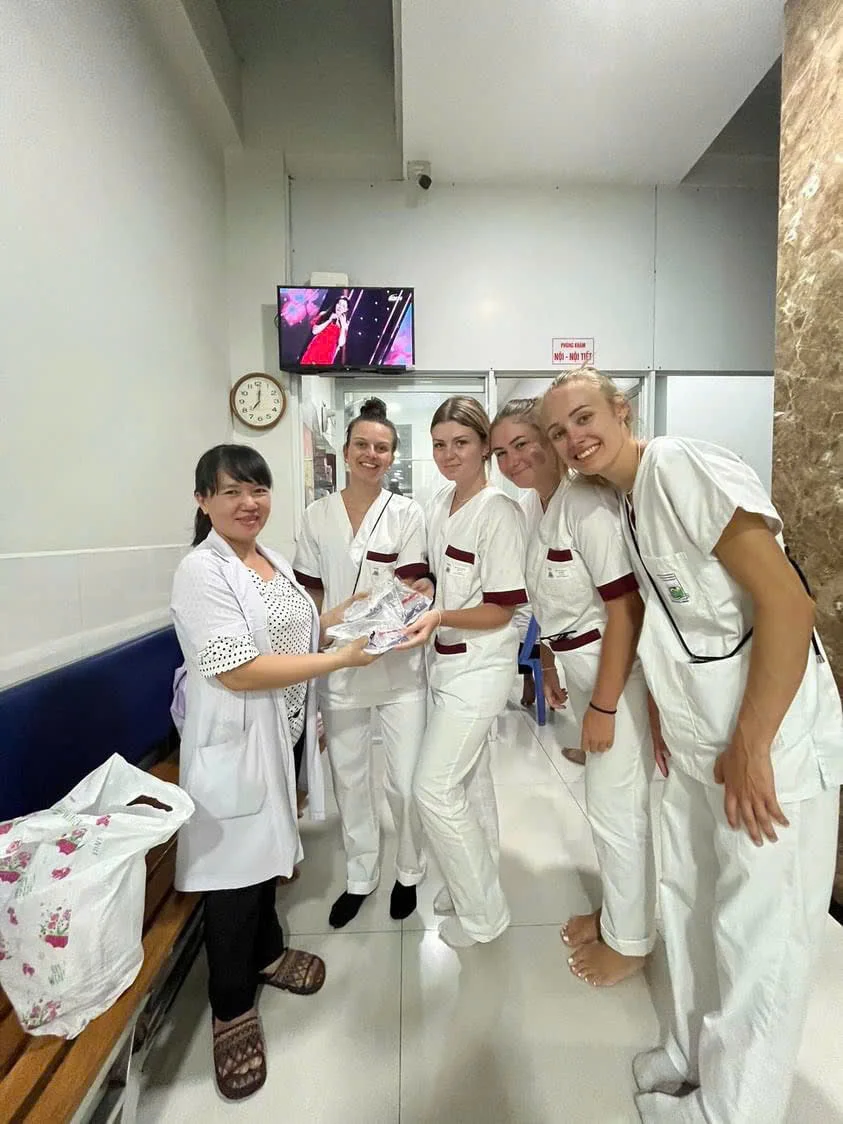
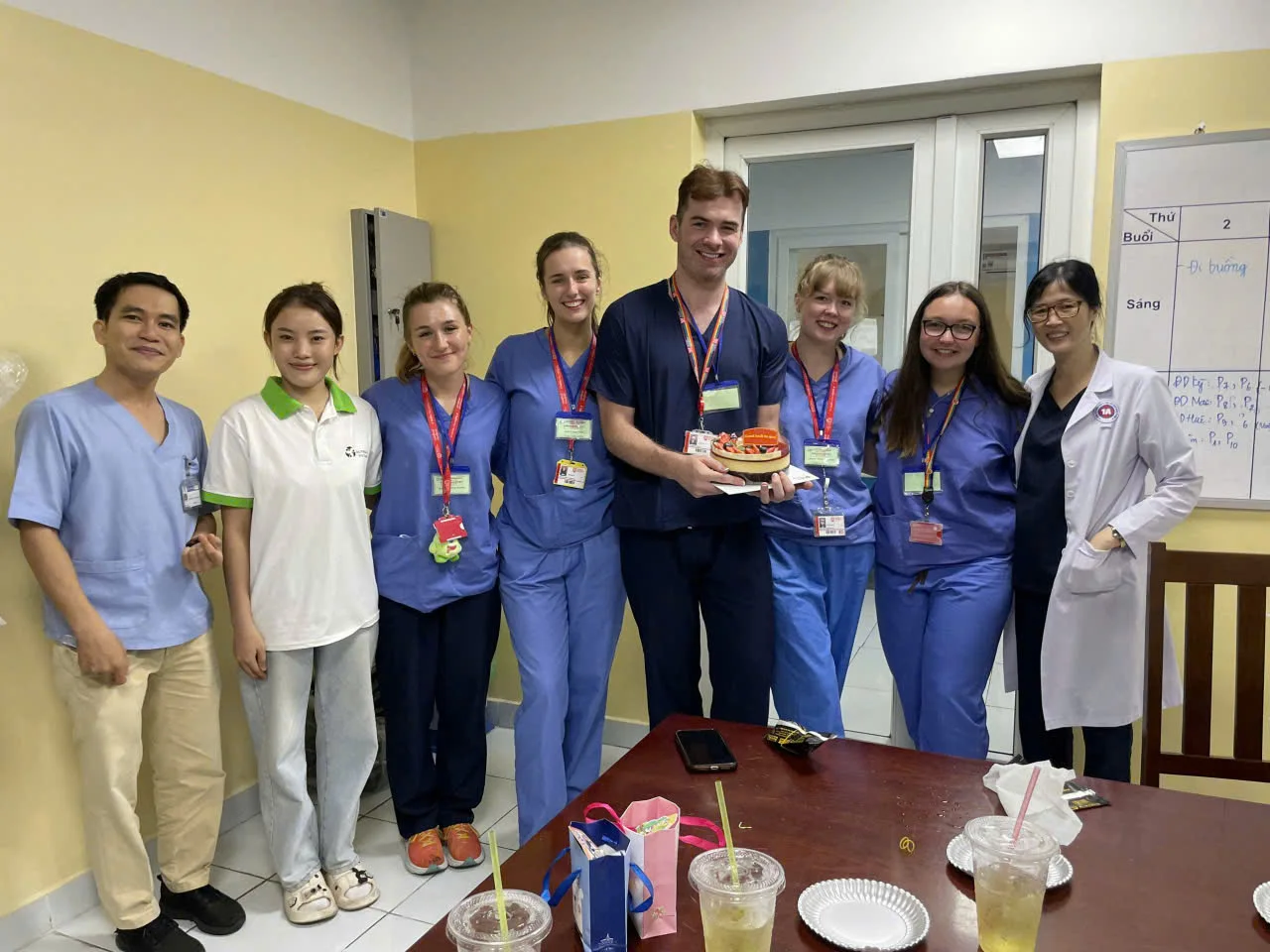
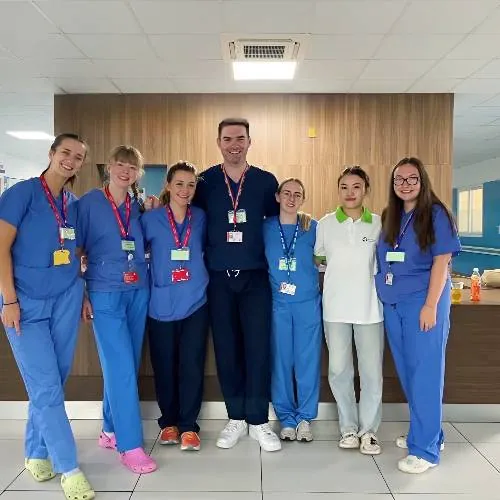
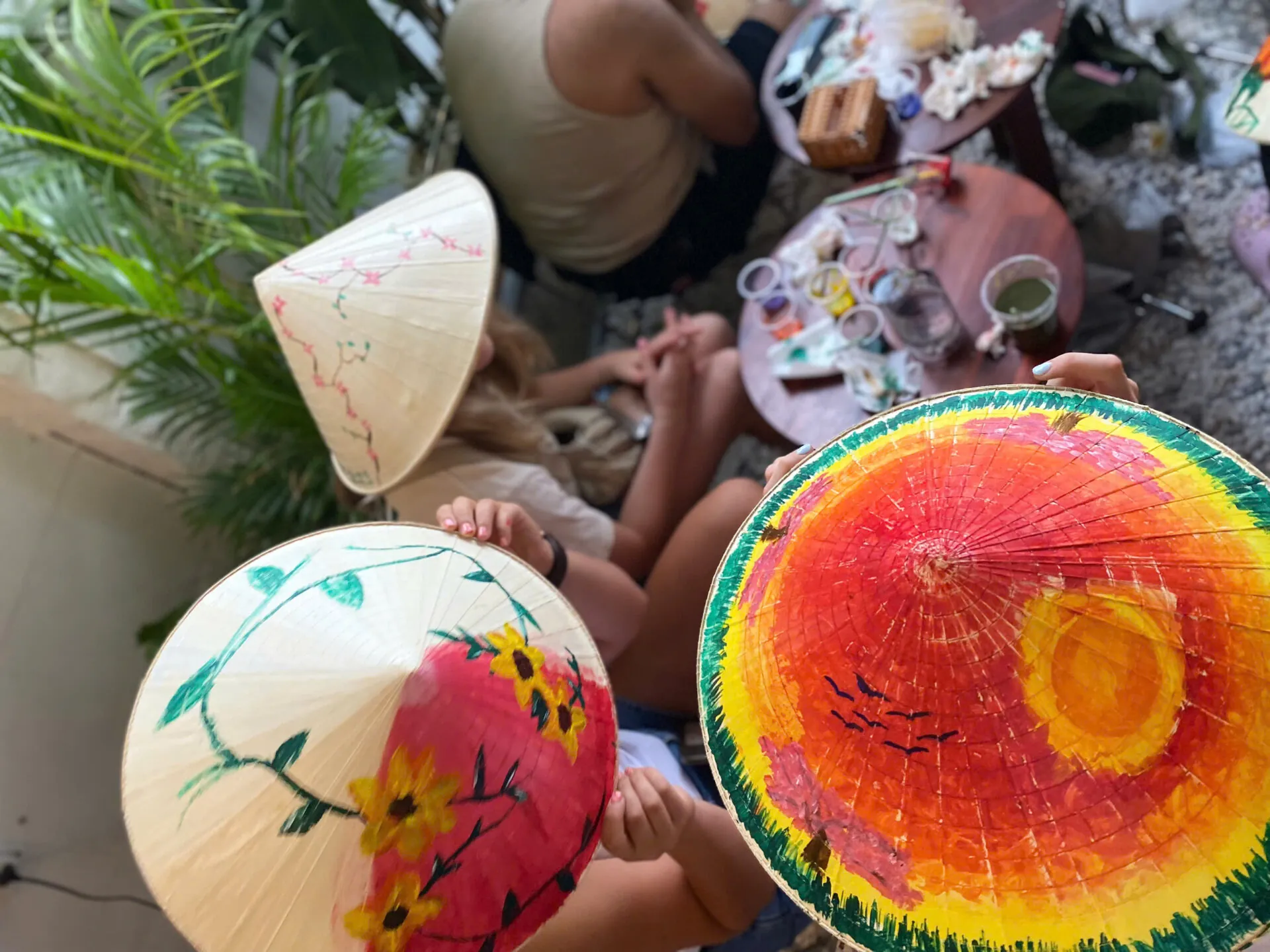
From heartwarming smiles to meaningful moments of connection, every photograph captures a story of compassion, shared experiences, and positive change. Explore the journeys of Outreach Vietnam’s volunteers, where unforgettable experiences create lasting impact in local communities. Who knows? The next story could be yours!
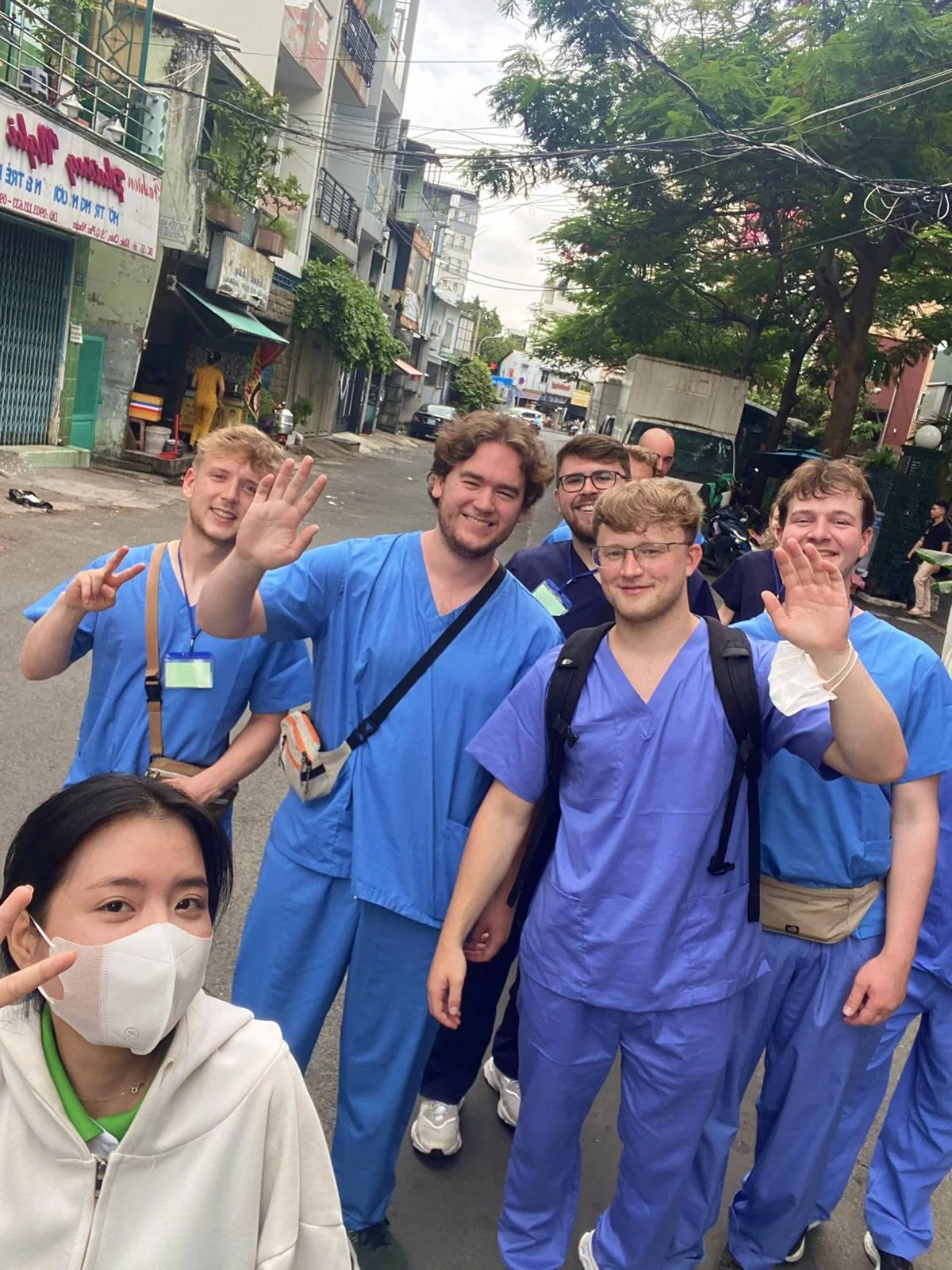
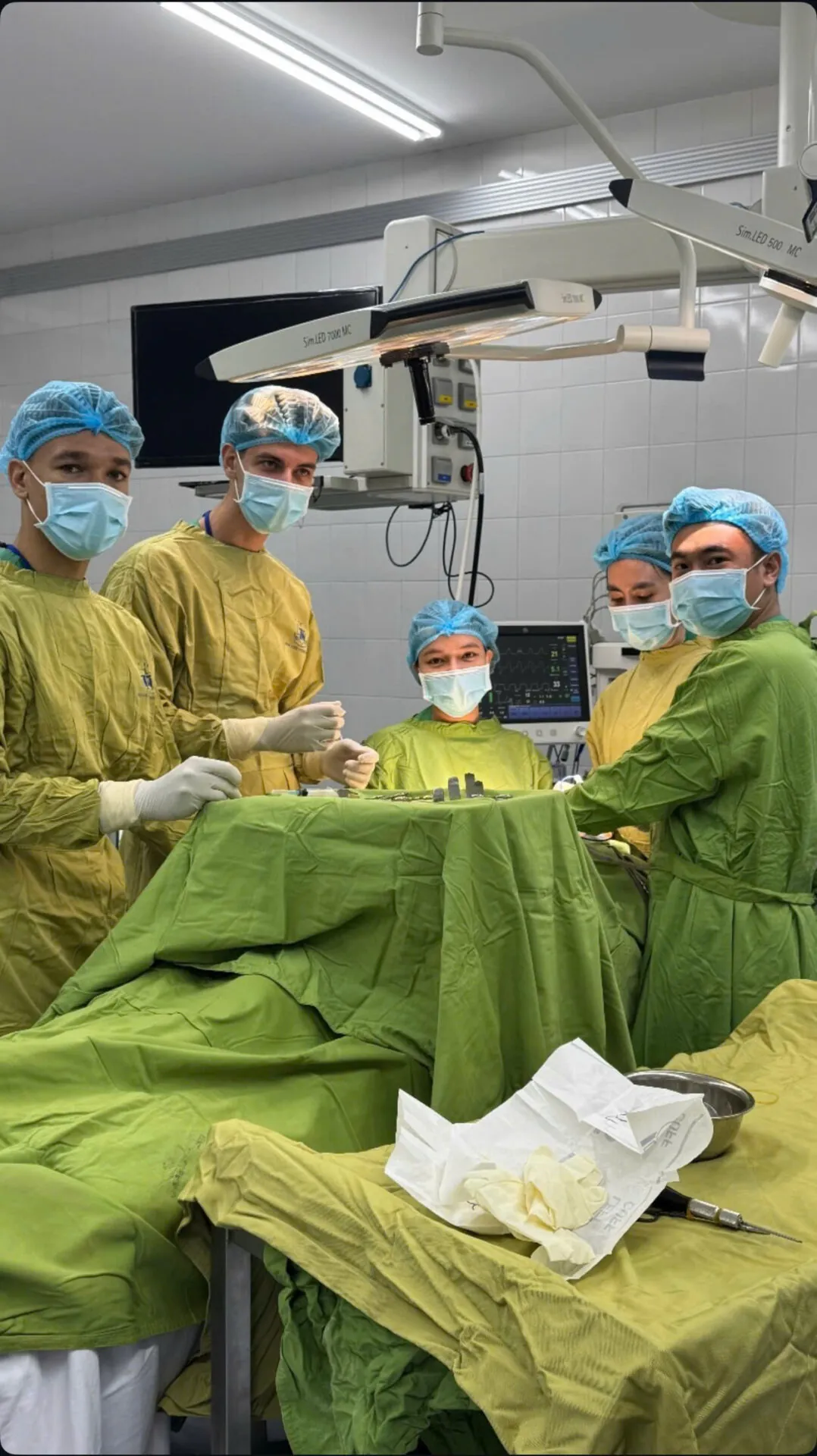
One Journey, Many Memories
Behind every journey lie authentic stories, intimate connections, and unforgettable moments that make each journey truly special.