Essential Information & Pre-Departure Guide
Comprehensive practical guidance covering regional climate, getting around, currency, tipping etiquette, internet, dining, what to pack, volunteer house accommodation, meals, and full programme inclusions.
1. Visa – Vietnam Visa
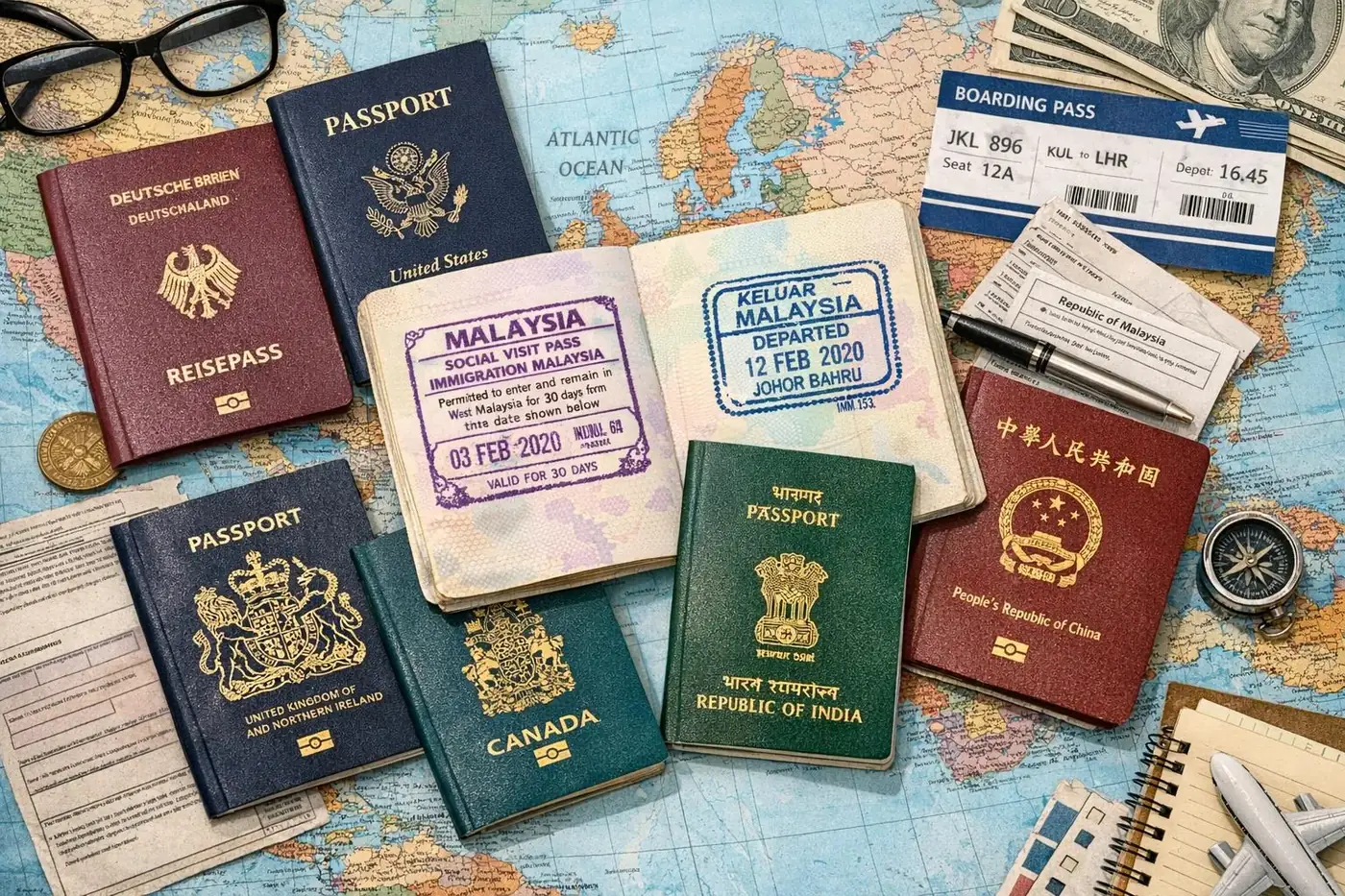
Before travelling to Vietnam, every volunteer should check their passport validity, entry requirements, and the appropriate visa options based on their nationality, length of stay, and purpose of travel. First, your passport must be valid for at least six months from the date of your intended entry into Vietnam.
Depending on your nationality, you may be eligible for visa-free entry for up to 45 days, or you may need to apply for an E-Visa, which allows a stay of up to 90 days.
If you need an E-Visa, choose Single Entry if you plan to stay in Vietnam throughout your trip without leaving the country. Choose Multiple Entry if you plan to leave and re-enter Vietnam during the validity of your visa. As you are travelling to Vietnam to participate in a volunteer programme, we encourage volunteers to select "Volunteer" as their purpose of travel when completing the visa application, where applicable. Choosing the appropriate visa and travel purpose from the beginning will help ensure a smooth entry and stay in Vietnam and minimise potential issues during your volunteer programme.
2. Climate & Logistics in Vietnam
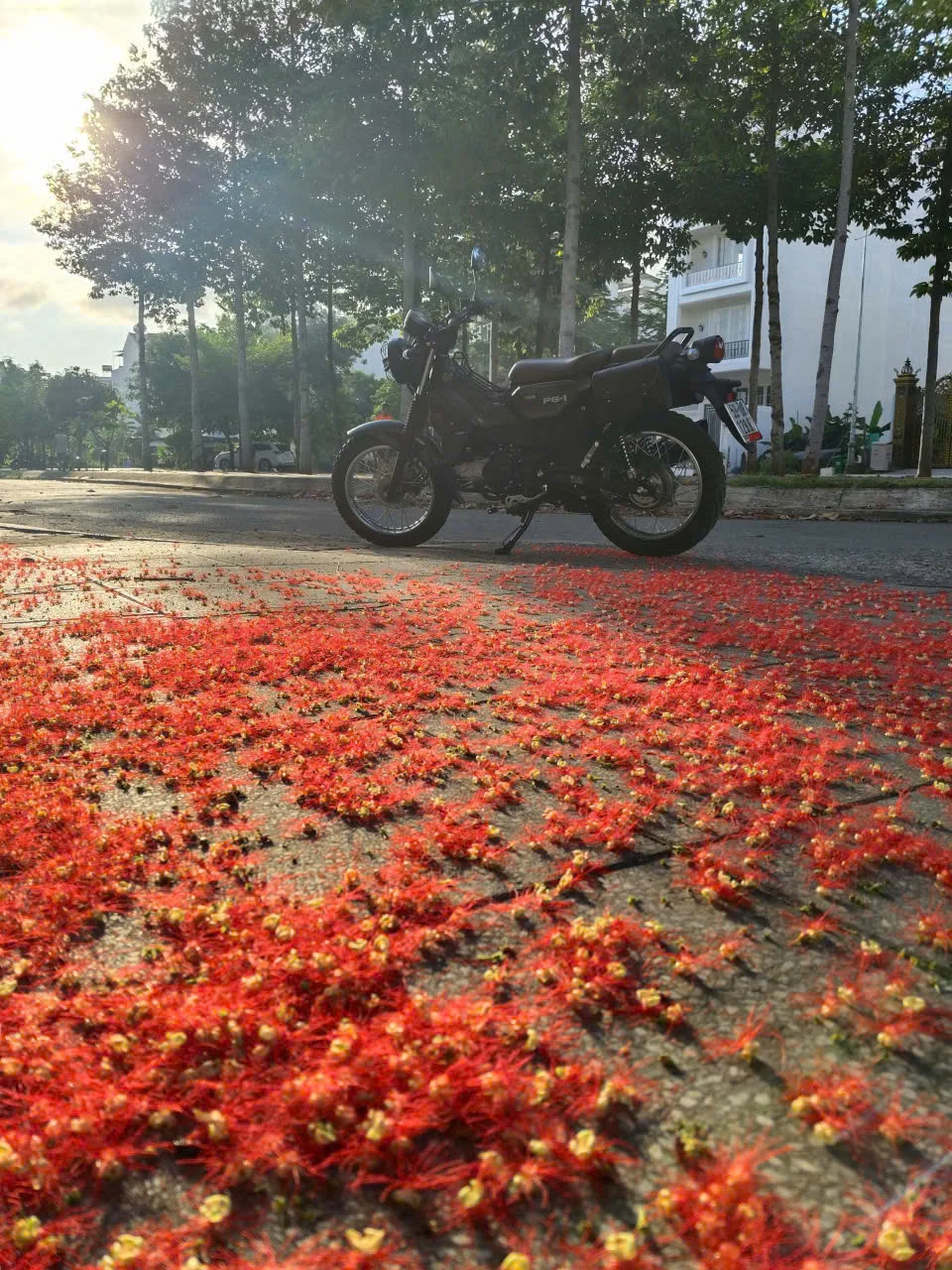
Vietnam has a tropical climate, so volunteers can expect hot temperatures, high humidity and occasional sudden rainfall, particularly when taking part in outdoor activities. However, weather conditions vary noticeably between our three operating hubs:
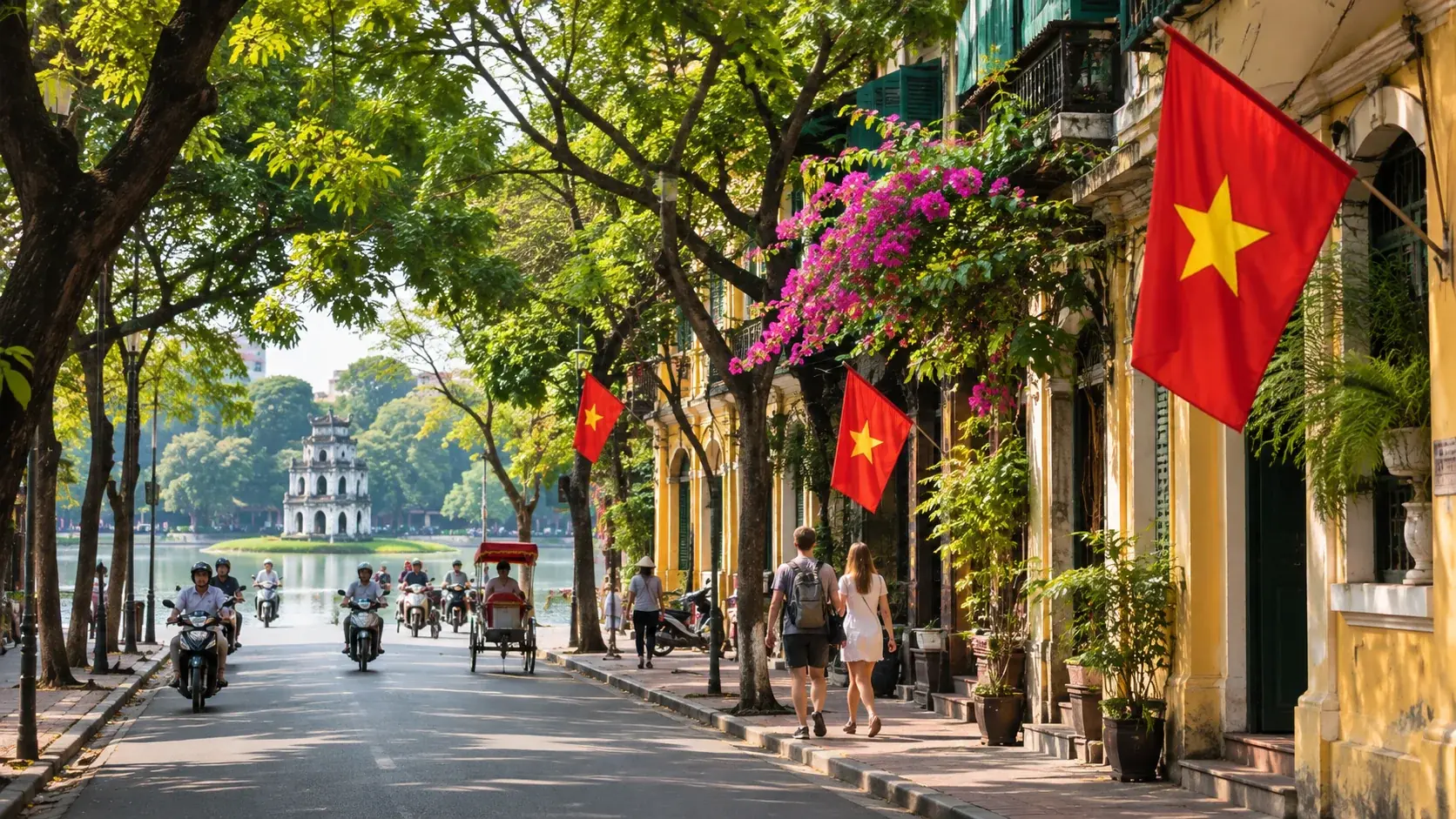
Hanoi: Four Distinct Seasons
The weather changes noticeably throughout the year. Summers are typically hot and humid, with temperatures sometimes exceeding 35°C and periods of heavy rainfall. Winters can be cool and dry, with temperatures occasionally dropping below 15°C. If you are visiting Hanoi during the winter, we recommend bringing a jacket and long-sleeved clothing.
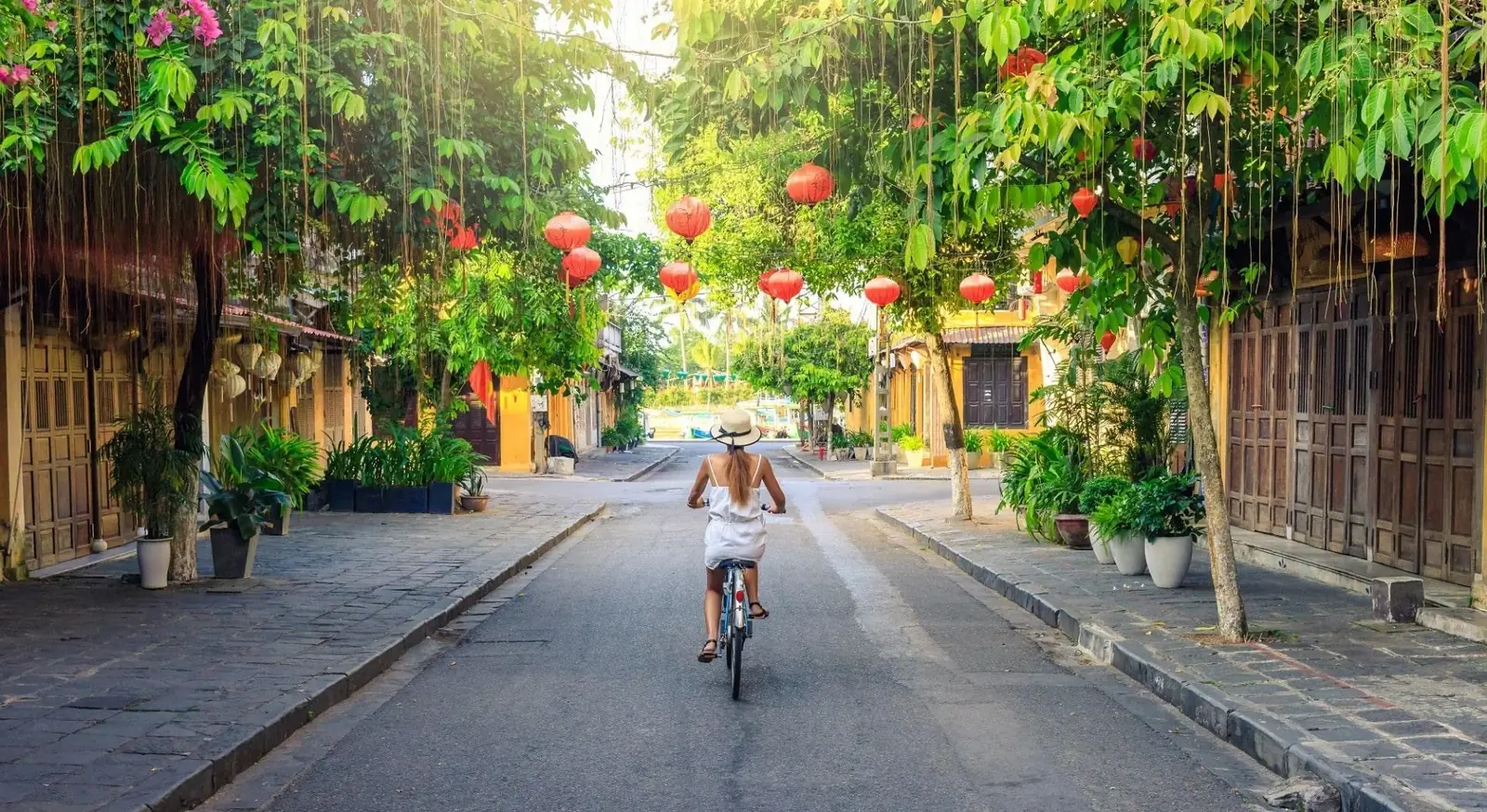
Da Nang: Warm Coastal Climate
The city is warm and sunny for much of the year, making it well suited to outdoor activities. During the rainy season, from September to December, there can be periods of heavy rainfall, which may sometimes last for several hours and affect travel. We recommend bringing a raincoat, umbrella and footwear that dries easily.
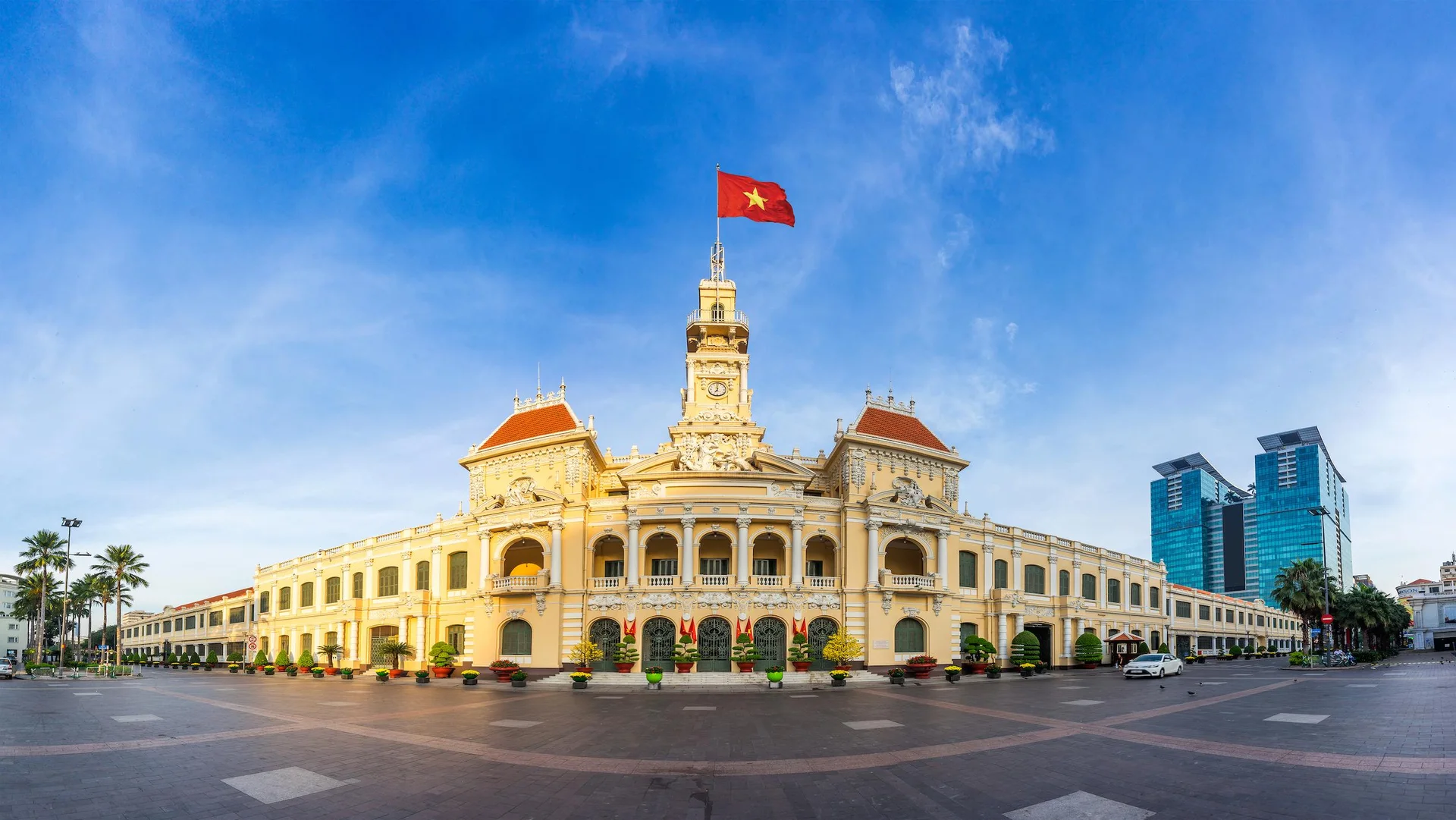
Ho Chi Minh City: Tropical Warmth
The city is hot throughout the year, with high temperatures and humidity. The rainy season generally runs from May to November, although temperatures remain warm and humid. Rain often comes suddenly in the afternoon or evening and can be quite heavy, but it usually does not last all day. September and October tend to receive higher levels of rainfall. Always carry an umbrella or lightweight raincoat when travelling in the afternoon.
Things to Keep in Mind for Tropical Living
In general, hot and humid weather can make you sweat more and become dehydrated more easily, especially during outdoor activities. Make sure you drink enough water, use sunscreen and wear lightweight, breathable and comfortable clothing. During the rainy season, mosquitoes, ants, cockroaches and other insects may be more common, particularly in areas with vegetation or high humidity. This is a normal part of living in a tropical environment such as Vietnam.
3. Transport & Currency
Getting Around & Traffic
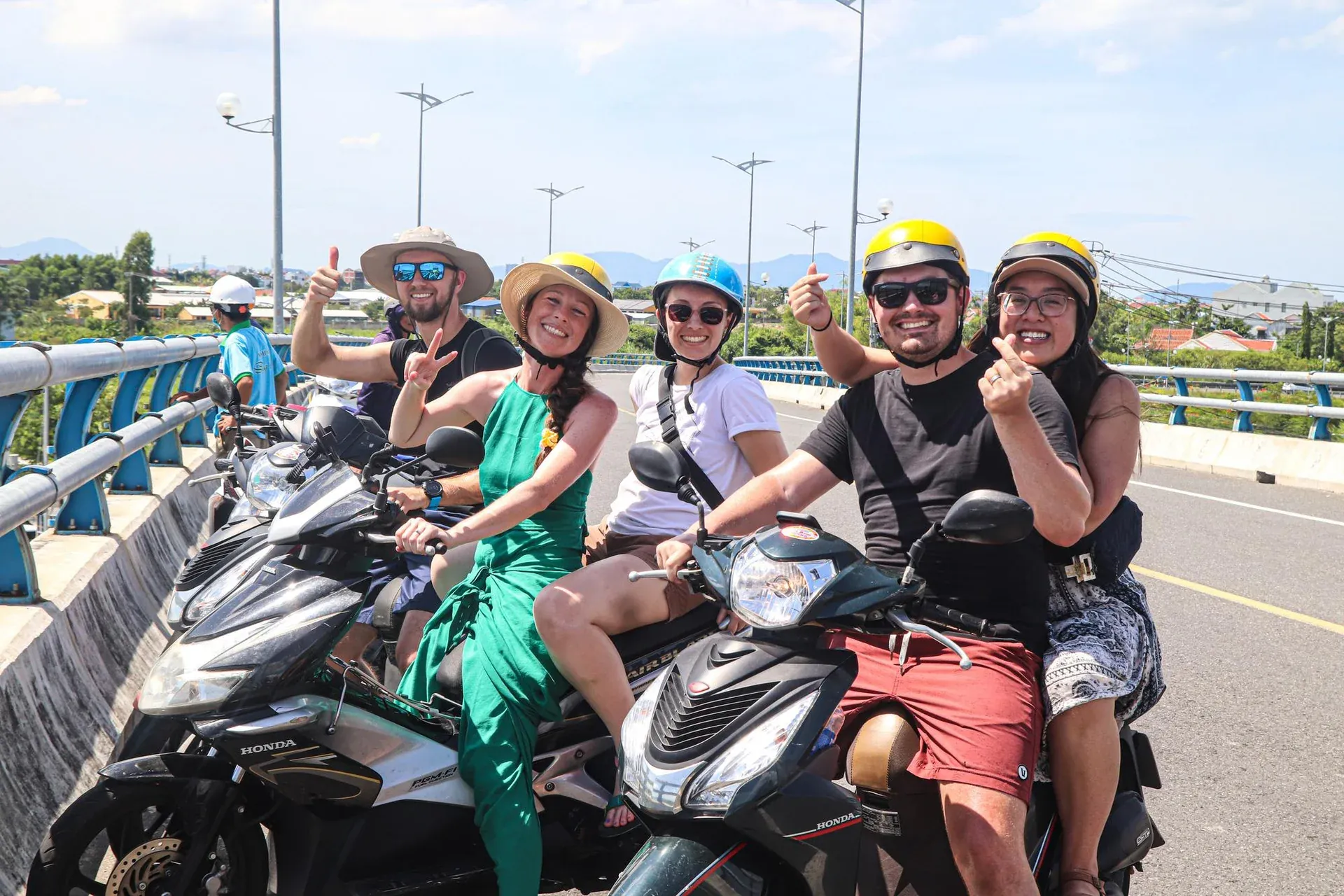
Traffic in major Vietnamese cities can be busy, particularly during peak hours (7:00–9:00 am and 4:30–7:00 pm), when large numbers of motorbikes and cars are on the roads at the same time. When walking or crossing the road, pay close attention to the traffic and follow your programme coordinator’s guidance when needed.
When going out, avoid carrying large amounts of cash, your passport or valuables unless necessary. Keep an eye on your phone, wallet and belongings, especially in crowded areas or when travelling by motorbike.
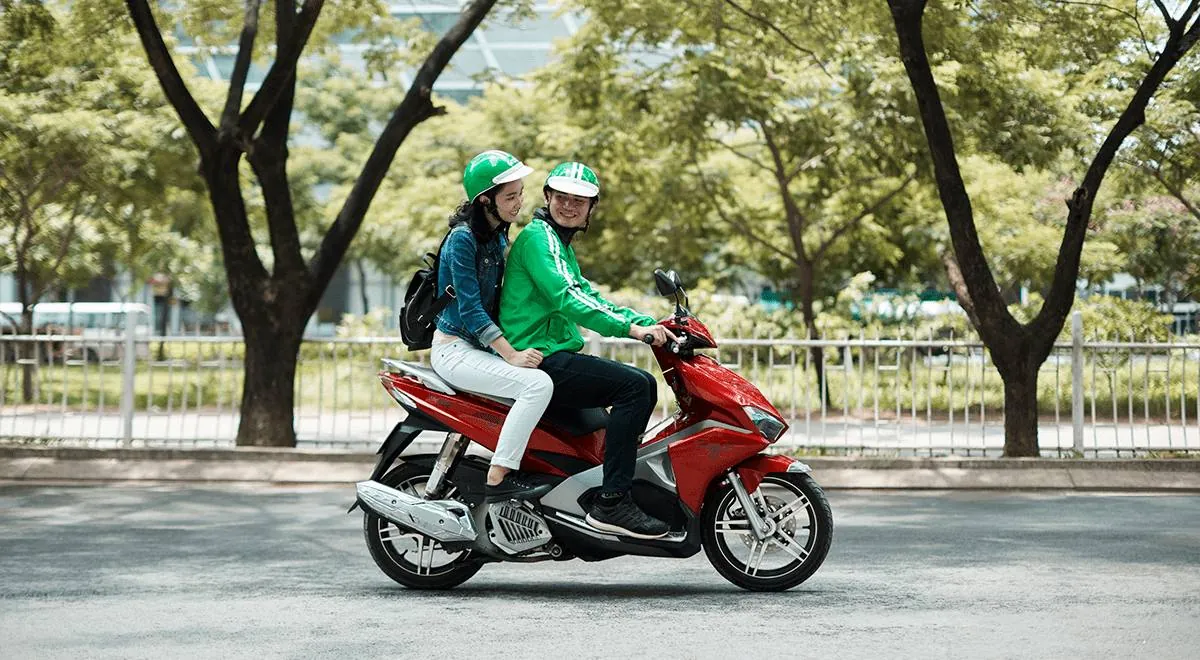
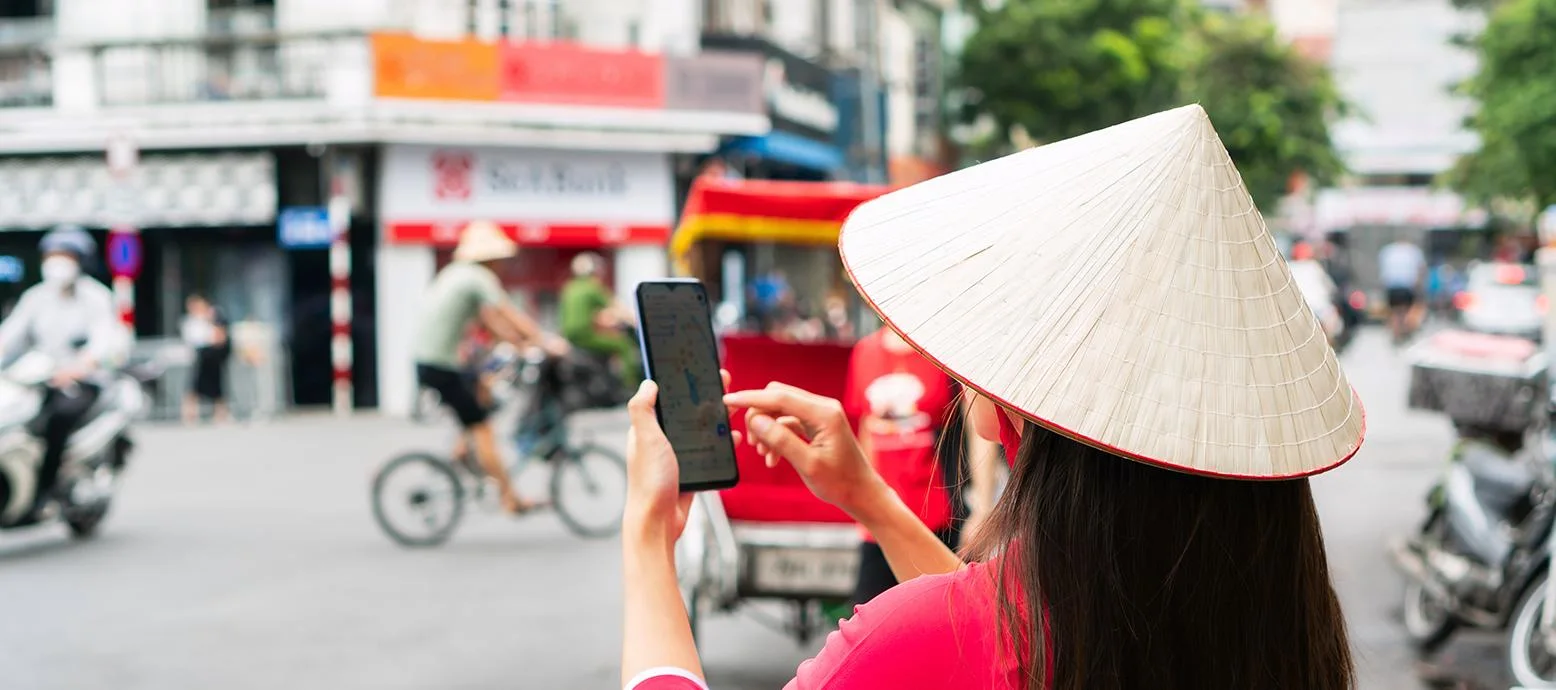
Public buses mainly operate within cities and cover a wide range of routes. They generally run from around 5:00 am to 7:00 pm, with fares of approximately VND 7,000 per journey. Alternatively, you can use taxis or ride-hailing apps such as Grab, Be and Xanh SM to book cars or motorbikes. The app shows the route and fare in advance, so there is no need to negotiate the price.
Please note: When getting off a motorbike, always get off from the left-hand side to avoid accidentally touching the exhaust pipe. The exhaust can become extremely hot and may cause burns.
Currency & Tipping
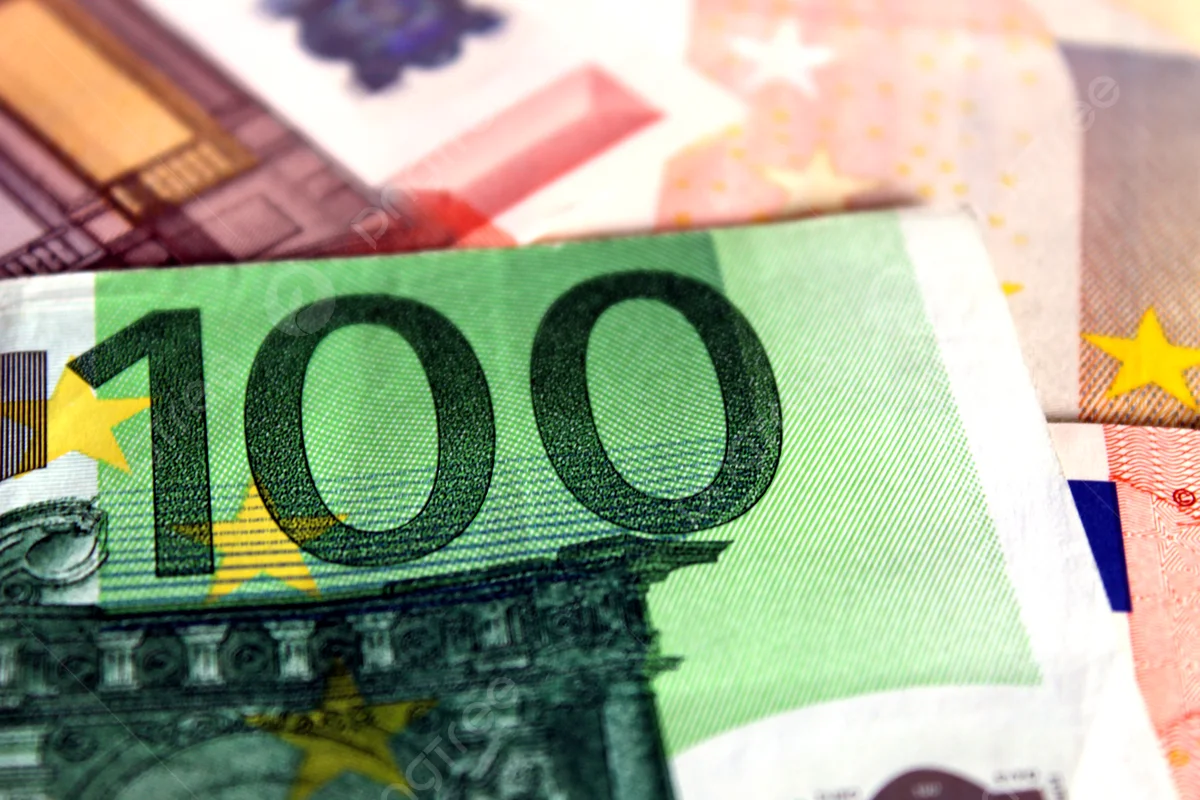
The currency of Vietnam is the Vietnamese Dong (VND). Cash is still widely used, particularly at local food stalls, markets, small shops and in some areas outside city centres.
You can exchange money at banks, airports or licensed foreign exchange offices. ATMs are also widely available in cities, although withdrawal fees and transaction limits may vary between banks.
Many places now accept bank cards and QR-code payments, but you should still carry a small amount of cash when going out. When receiving cash, check the denomination carefully, as some banknotes have similar colours and sizes.
Tipping is not compulsory in Vietnam. You do not need to leave a tip at restaurants, cafés, taxis or other services. If you are happy with the service, you may choose to leave a tip as a gesture of appreciation, but it is entirely optional. There is no fixed tipping amount that customers are expected to pay.
Please note: Avoid carrying large amounts of cash when travelling and keep your money, bank cards and important documents in a secure place.
Internet & Mobile Connectivity
Wi-Fi and internet access are widely available in Vietnam, particularly at accommodation, hotels, cafés and in central areas. However, connection speed and reliability may vary depending on the location.
You can use a Vietnamese SIM card or eSIM to stay connected while travelling around. SIM cards and eSIMs can be purchased at airports or from mobile network provider shops.
Apps such as WhatsApp, Messenger, as well as ride-hailing apps such as Grab, Be and Green SM, are commonly used for communication and transport.
4. Food & Dining
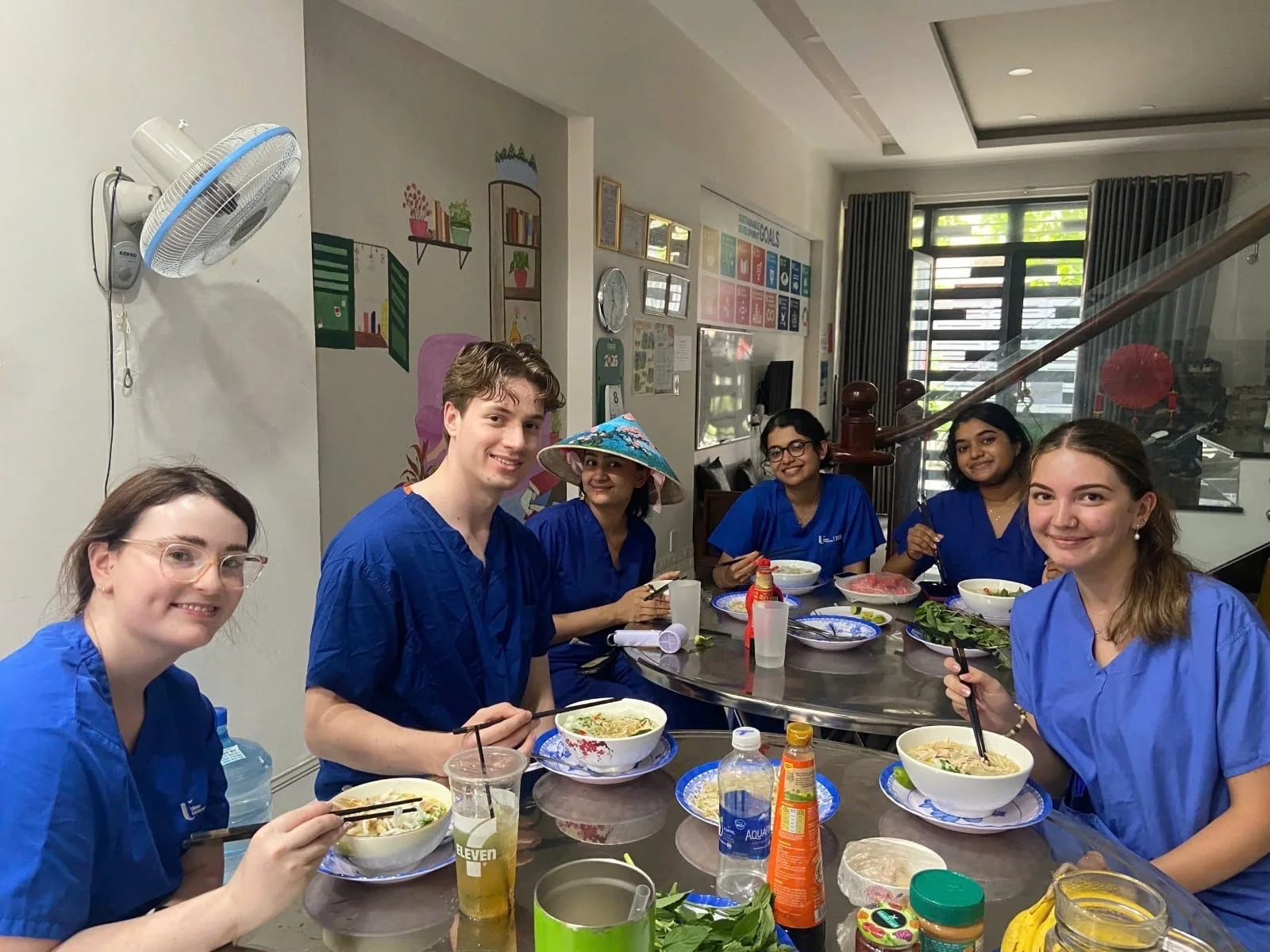
Vietnamese cuisine is highly diverse, ranging from rice dishes, phở, bún and noodles to a wide variety of street food and regional specialities. You can easily find restaurants and food stalls at a range of prices, from small local eateries to more established restaurants. However, hygiene standards can vary between establishments, so we recommend choosing places that appear clean, are reasonably busy and have a steady flow of customers.
Flavours can vary between regions, and some dishes may be spicy, sweet or contain fish sauce, fresh herbs and a variety of seasonings. If you are not familiar with Vietnamese food, try different dishes gradually and choose those that suit your preferences.
When eating street food, prioritise food that is thoroughly cooked and served hot, and avoid raw dishes or food that has been left at room temperature for extended periods. Tap water should not be consumed directly. Use bottled, filtered or boiled water for drinking.
If you have any food allergies or dietary requirements, please inform Outreach Vietnam in advance so that we can help arrange suitable meals and provide appropriate support.
5. What to bring
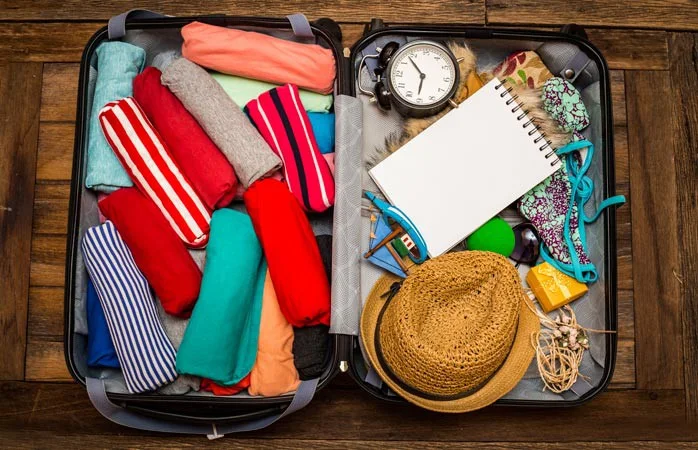
Clothing:
Comfortable, modest clothing suitable for your working environment. For volunteers participating in the Medical Programme, please bring your medical uniform when attending the hospital. When entering an operating theatre, volunteers must not wear or bring jewellery such as rings, bracelets, watches, necklaces or earrings in order to maintain hygiene, ensure safety and comply with the hospital’s infection control requirements.
Footwear:
Comfortable shoes that are easy to walk in. Closed-toe shoes are recommended when working at schools or hospitals.
Personal Items:
Personal medication, toiletries, sunscreen, insect repellent and any other essentials you may need.
Jewellery & Accessories:
Avoid bringing valuable jewellery or bulky accessories when participating in the programme.
Documents:
Passport, visa and copies of important documents.
Electronic Devices:
Mobile phone, charger and a travel adapter if required.
Other Essentials:
Umbrella/raincoat, reusable water bottle and a small backpack for everyday activities.
6. Housing & Meal
Volunteer House Living
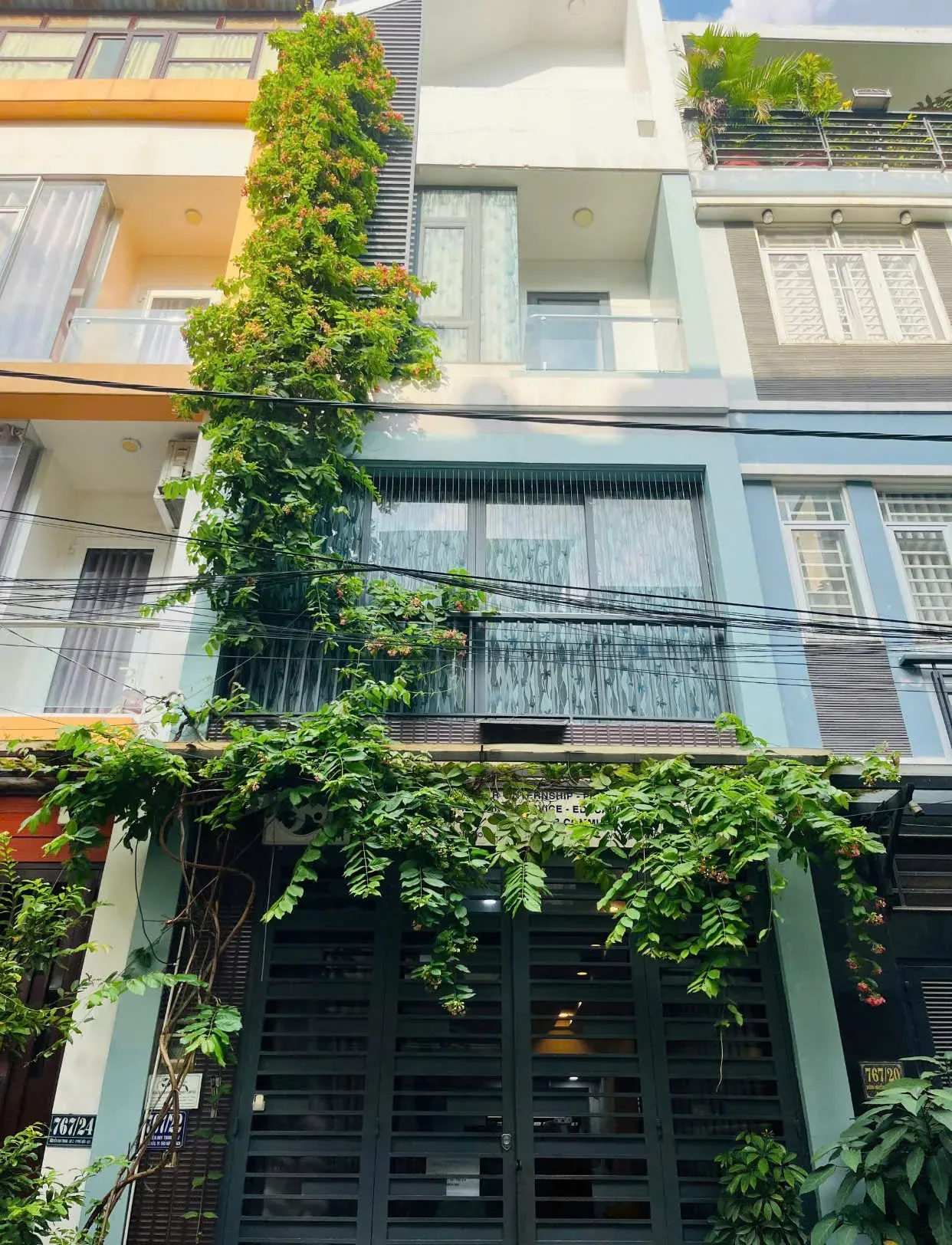
Throughout your volunteering journey in Vietnam, you will be welcomed into an Outreach volunteer house, located in a peaceful residential neighbourhood. The house is situated away from the main road, with less traffic and noise, creating a space that feels both private and welcoming — somewhere you can rest after a day of volunteering and recharge for the adventures ahead.
Our accommodation is spacious and designed with several shared living areas across four floors. The ground floor includes the living room and kitchen, while bedrooms are located on the second and third floors. There is also an open-air rooftop where you can enjoy views of the city, chat with friends from around the world and make memories of your volunteering journey.
Each room usually accommodates 4–6 volunteers, with bunk beds or single beds, as well as blankets, bed sheets and pillows. Bedrooms have private bathrooms, hot water and Western-style toilets. The house is also equipped with air conditioning, Wi-Fi and a washing machine to help you feel comfortable throughout your stay.
You are also welcome to use the shared kitchen, which is fully equipped with cooking utensils and a large refrigerator. It is more than just a place to prepare a meal — it is where conversations begin, where a Vietnamese dish might be shared, or where volunteers can sit down together after a long day and simply ask one another, “How was your day?”
Accommodation Checks:
The police or relevant authorities may check the passports and accommodation details of foreign nationals staying in volunteer houses, homestays, hotels or other types of accommodation. Such checks may take place routinely or without prior notice and are a normal part of accommodation management procedures in Vietnam. If you are asked to present your passport, simply remain calm and cooperate with the officers conducting the check. A routine check does not mean that you are in any trouble.
Shared Meals
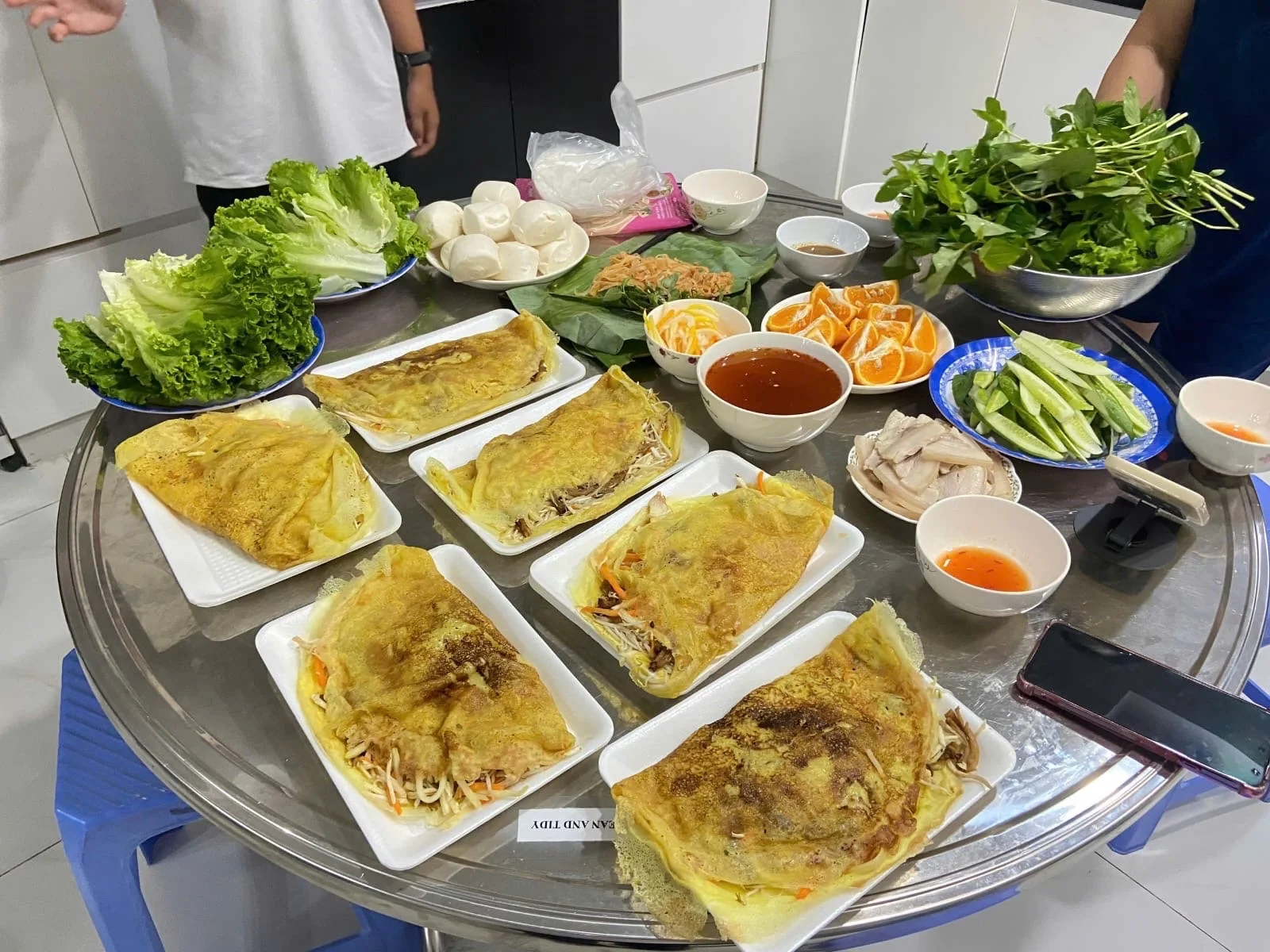
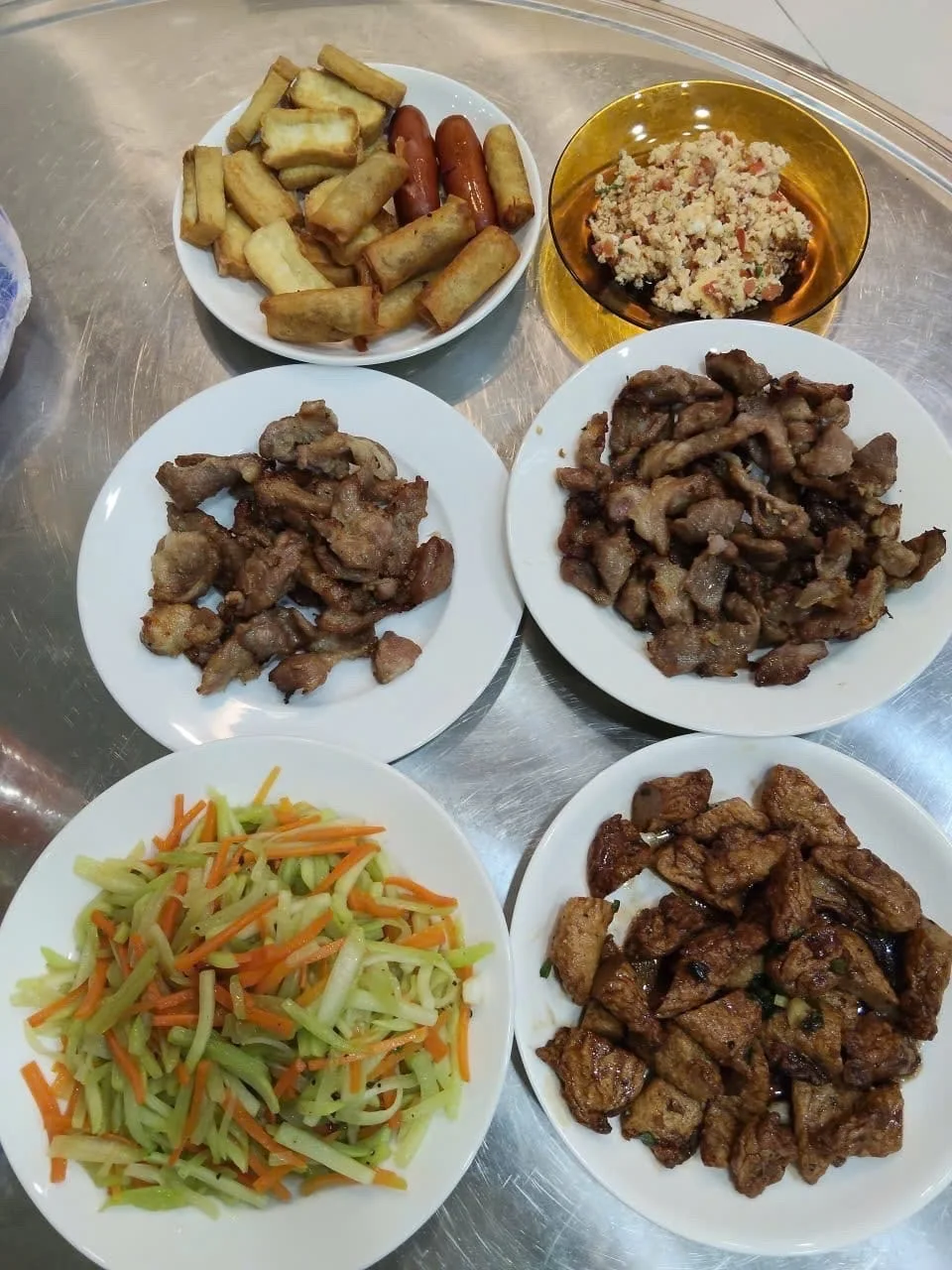
This is your opportunity to live like a local and discover Vietnamese cuisine through simple, comforting meals filled with familiar flavours. During your volunteering programme, you will be provided with three meals a day from Monday to Friday, prepared at the volunteer house.
Each day, our cook prepares lunch and dinner, with a varied menu inspired by the familiar dishes of a Vietnamese family meal. Breakfast is purchased from local shops, allowing volunteers to choose and prepare it according to their own preferences.
Menus may vary from day to day, but you can generally expect a balanced selection of rice, meat or fish, vegetables, eggs, soup and other traditional dishes.
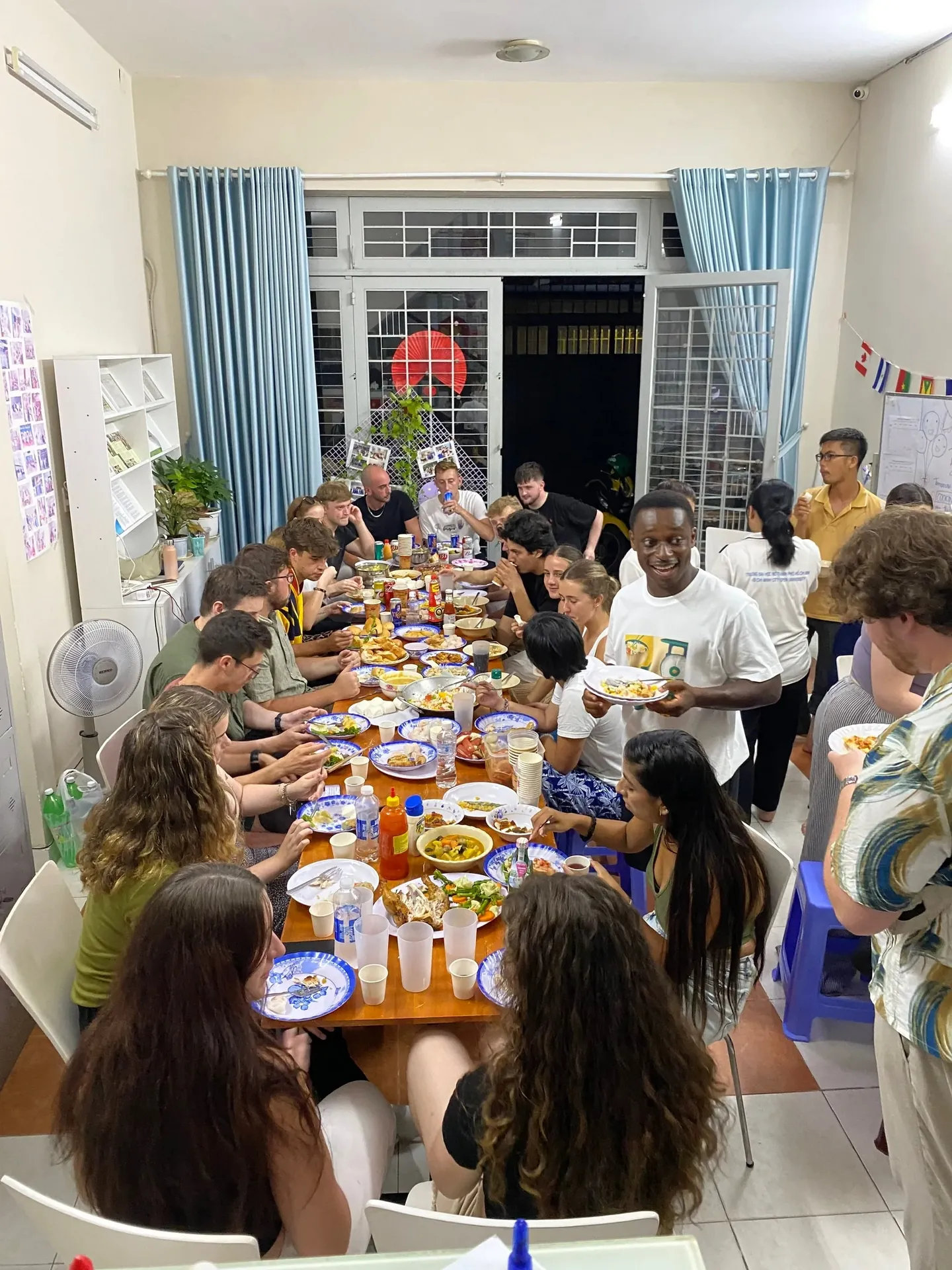
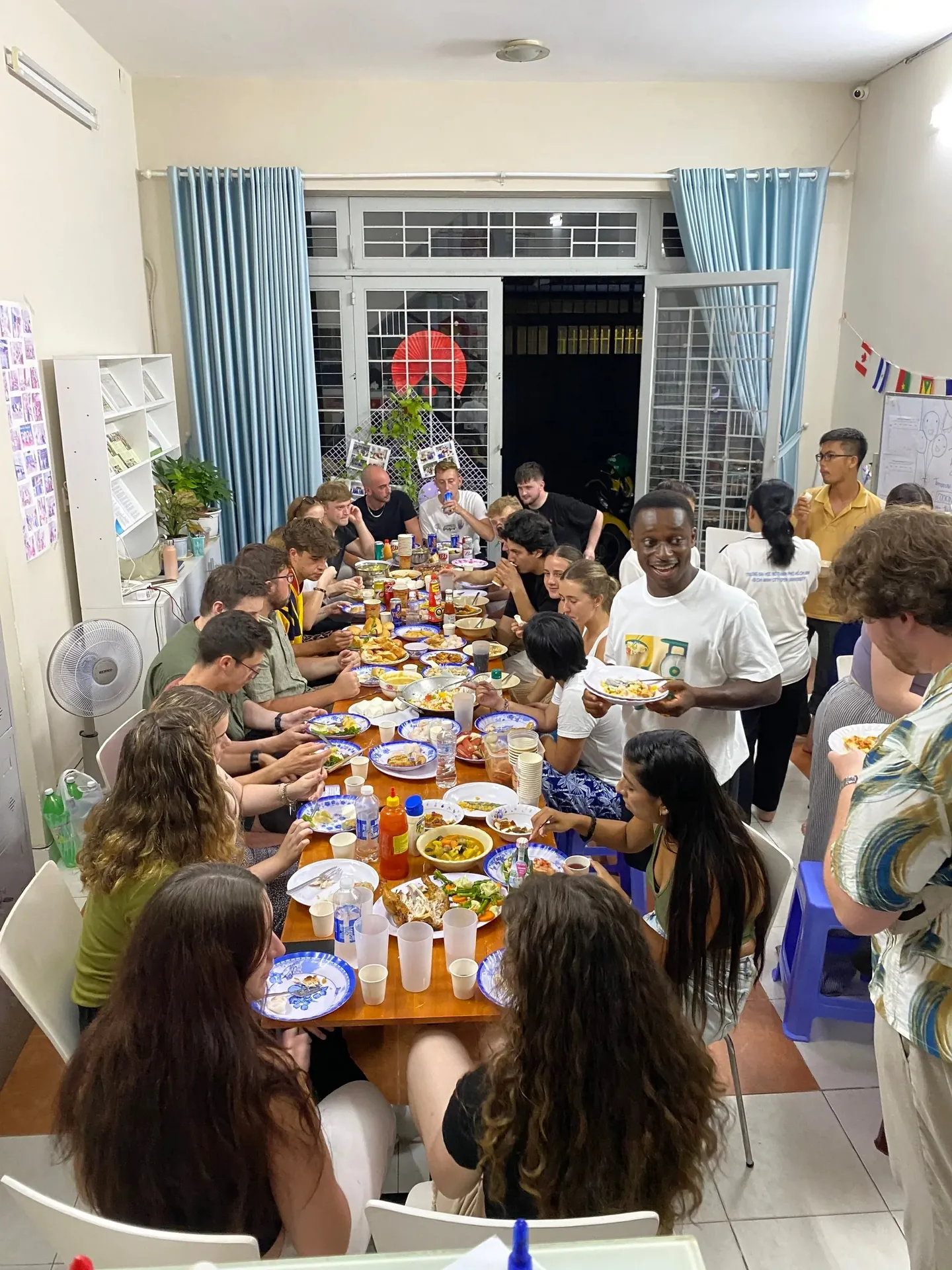
What makes mealtimes special is not only the food, but the moments shared around the table. Each meal offers volunteers from different countries a chance to meet, chat, share stories from the day and create small but memorable moments together.
We can also accommodate certain dietary requirements, including vegetarian, vegan and gluten-free diets. Please let us know about your dietary requirements when you register so that we can make the most appropriate arrangements for you.
7. Fee & Inclusions
Your programme fee covers the essential arrangements and support you need throughout your stay, allowing you to focus on your experience, your contribution and your connection with the local community.
What is Included in Your Fee:
- Airport Pick-up: Pick-up from the airport and assistance with transfer to your accommodation.
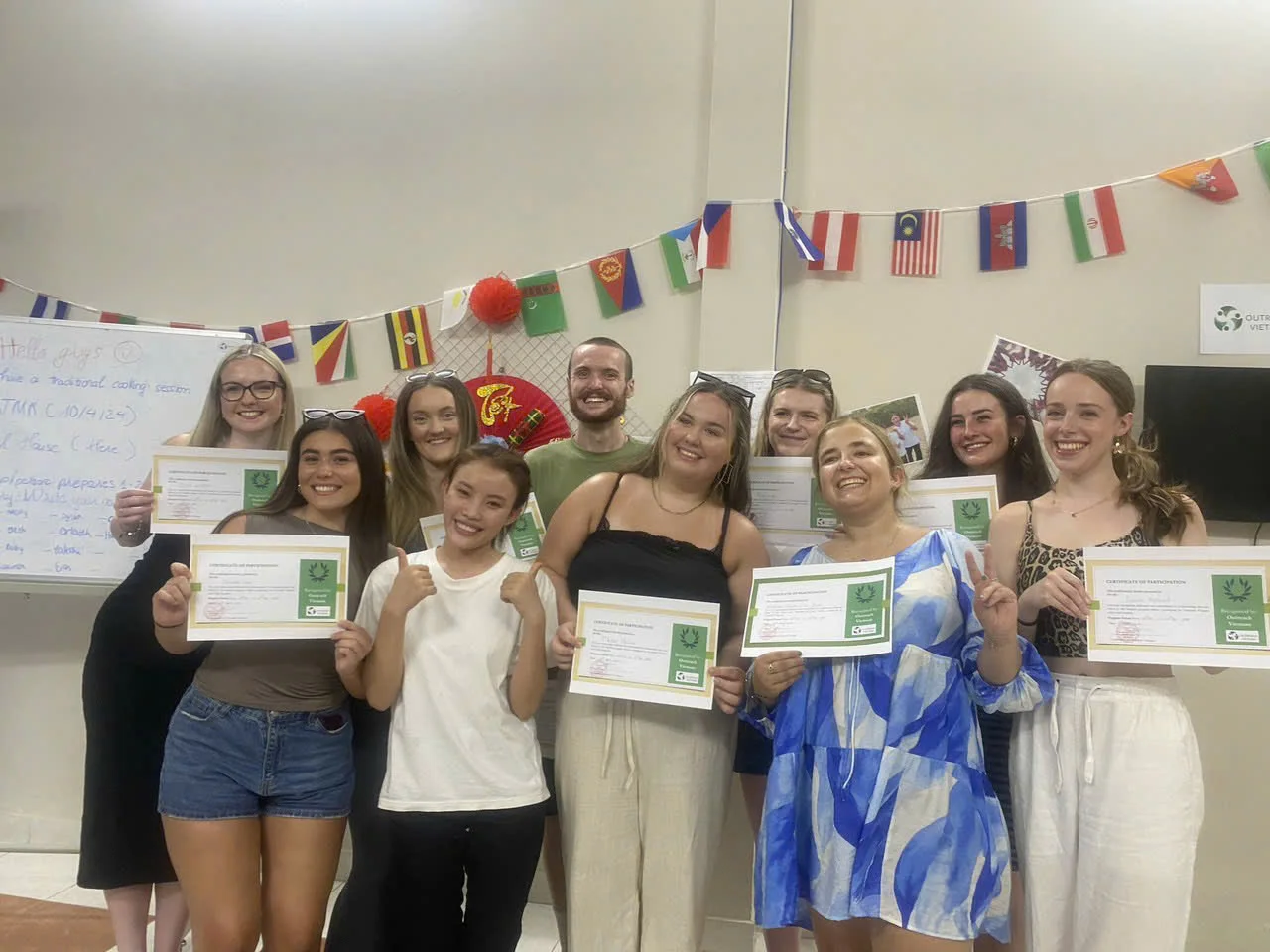
- Official Certificates: Hospital certificate and Programme Completion Certificate from Outreach Vietnam recognising your participation and clinical hours.
- Accommodation: Stay at our dedicated volunteer house (AC, Wi-Fi, laundry, hot water).
- Meals: Breakfast self-serve, freshly cooked lunch & dinner from Monday to Friday, plus free clean drinking water.
- Comprehensive Orientation: Practical introduction to local culture, neighbourhood, and placement guidelines.
- 24/7 Local Support: Dedicated bilingual coordinator available throughout your stay for guidance and emergency help.
What is NOT Included:
- International Flights: Airfare to and from Vietnam.
- Travel Insurance: Comprehensive medical & travel insurance covering your stay.
- Return Airport Transfer: Transportation back to the airport when your programme ends.
- Daily Local Transport: Daily commute travel between volunteer house and placement sites.
- Visa & Immigration Costs: Vietnam tourist/volunteer visa fees.
- Personal Spending: Sightseeing, shopping, weekend meals (Saturday & Sunday), entertainment.
More Than Photos, Stories That Make a Difference
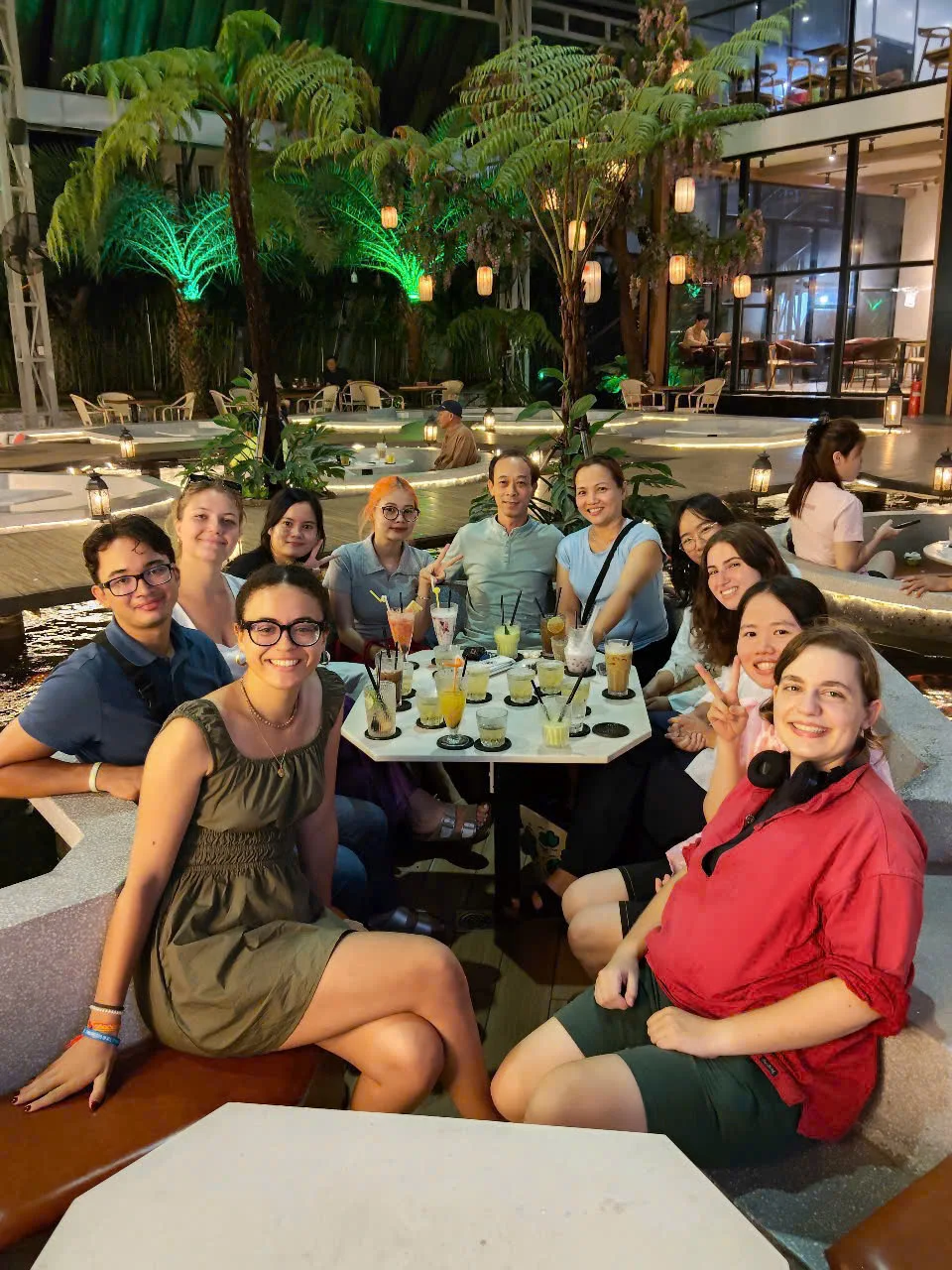
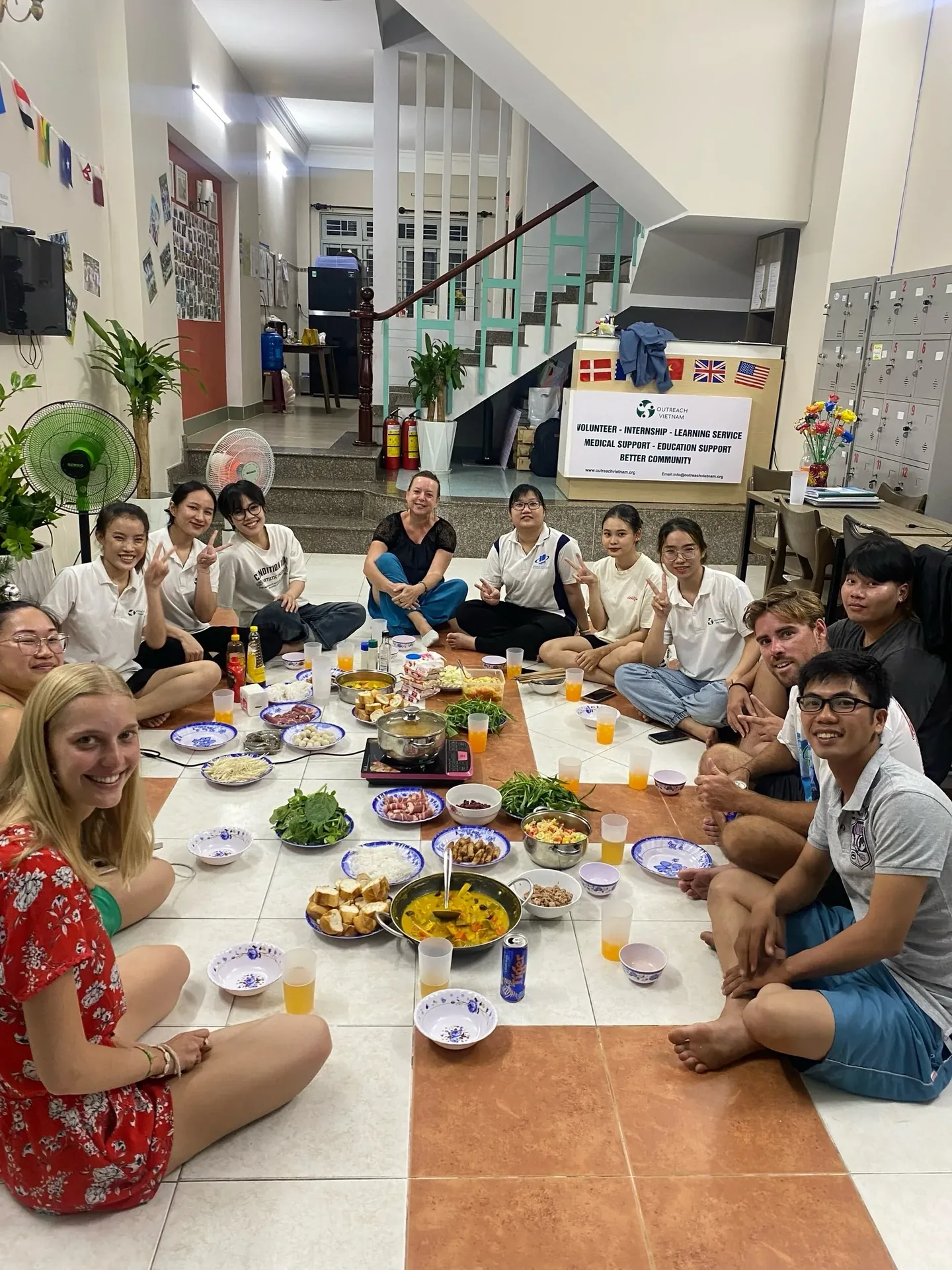
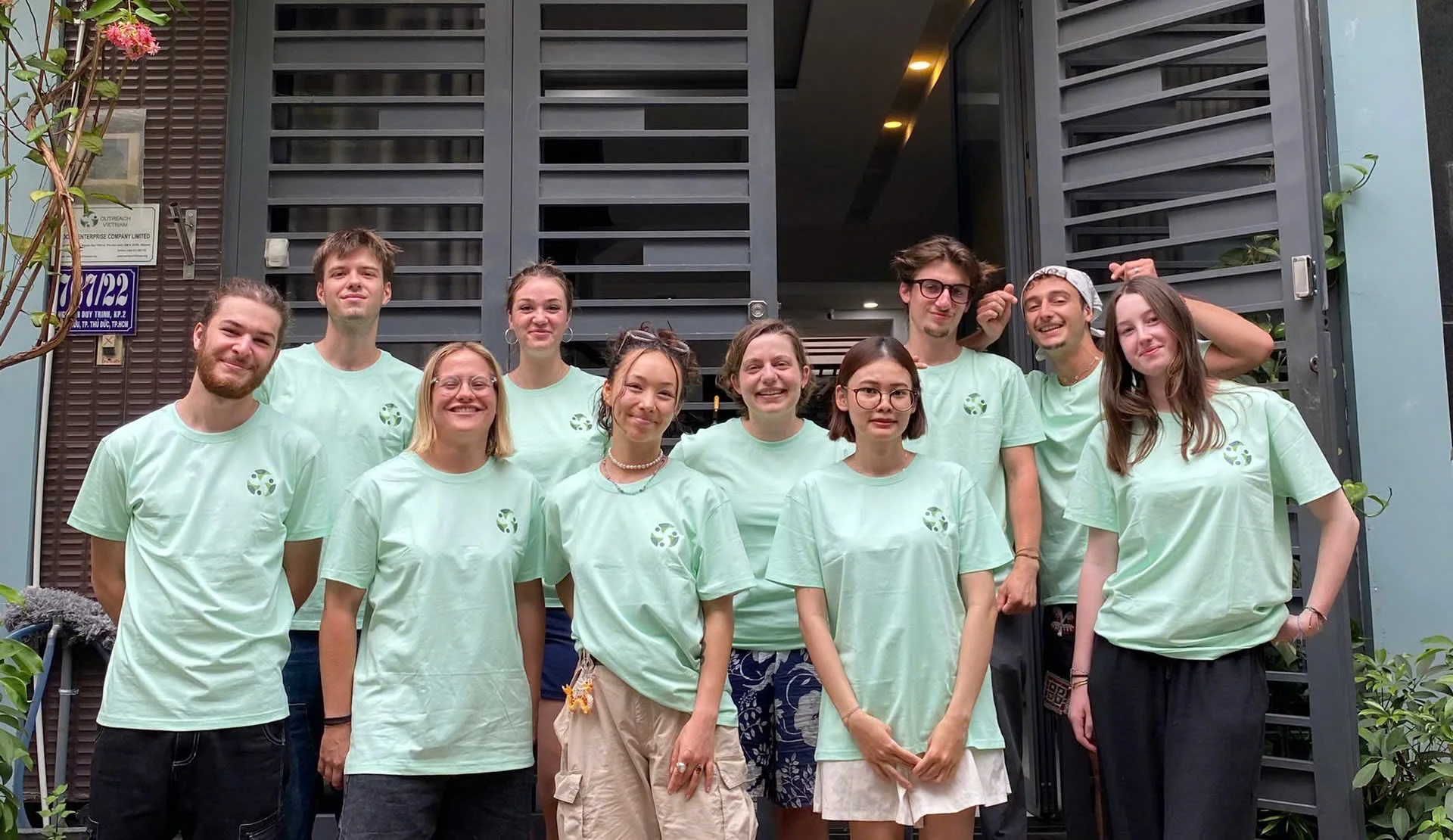
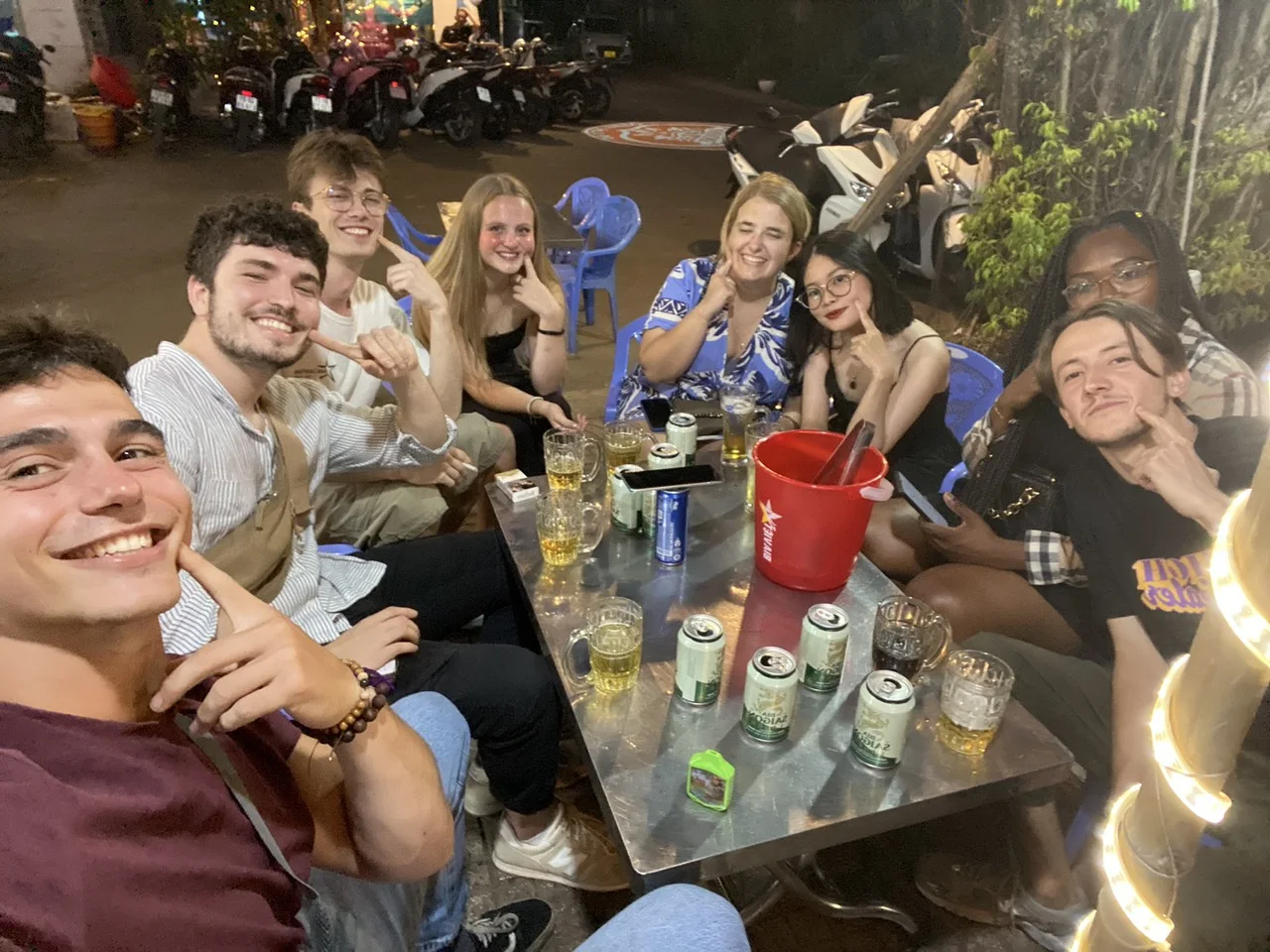
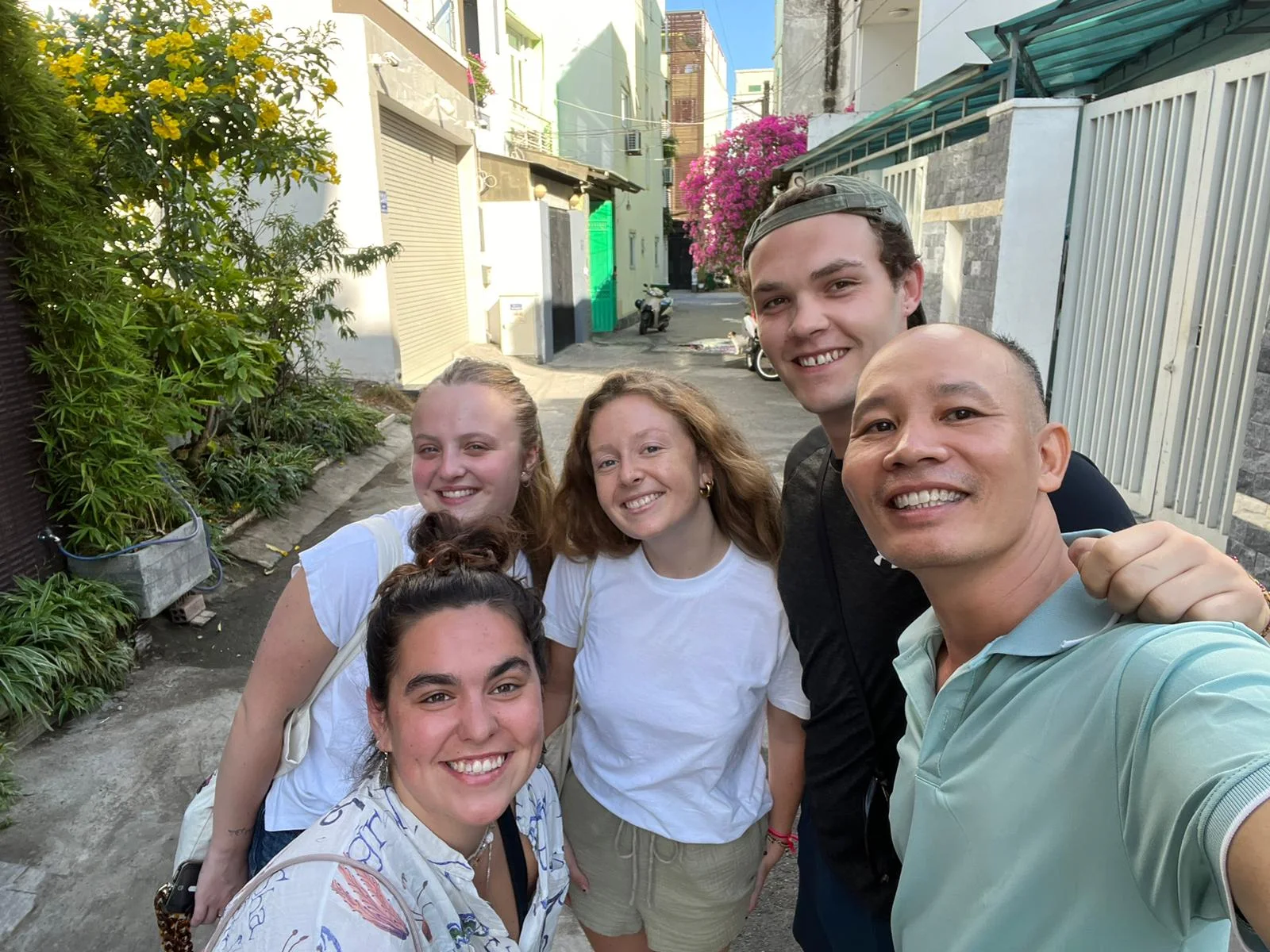
From heartwarming smiles to meaningful moments of connection, every photograph captures a story of compassion, shared experiences, and positive change. Explore the journeys of Outreach Vietnam’s volunteers, where unforgettable experiences create lasting impact in local communities. Who knows? The next story could be yours!
Have Questions About Planning Your Journey?
Our programme coordinators are available 24/7 to help guide you through visa applications, packing preparations and flight bookings.