Partnering for children, strengthening communities
Definition: An NGO program is a coordinated set of non‑profit activities designed to address social needs—such as child protection, education, health, and poverty alleviation—outside of government services.
Significance: NGOs deliver flexible, community‑centered solutions that reach vulnerable groups, fill service gaps, and pilot innovative approaches.
Social importance: In today’s context, NGO programs strengthen social inclusion, protect rights, and build local capacity for sustainable change.
Outreach’s mission: To organize and support NGO programs that advance social welfare and create meaningful volunteer pathways.
Connection function: Outreach links individual volunteers and professionals with local NGOs, enabling practical contribution, skills exchange, and long‑term impact.
Current collaboration: Outreach is partnering with a local organization to scale child‑focused social services, combine expertise, and expand volunteer and internship opportunities.
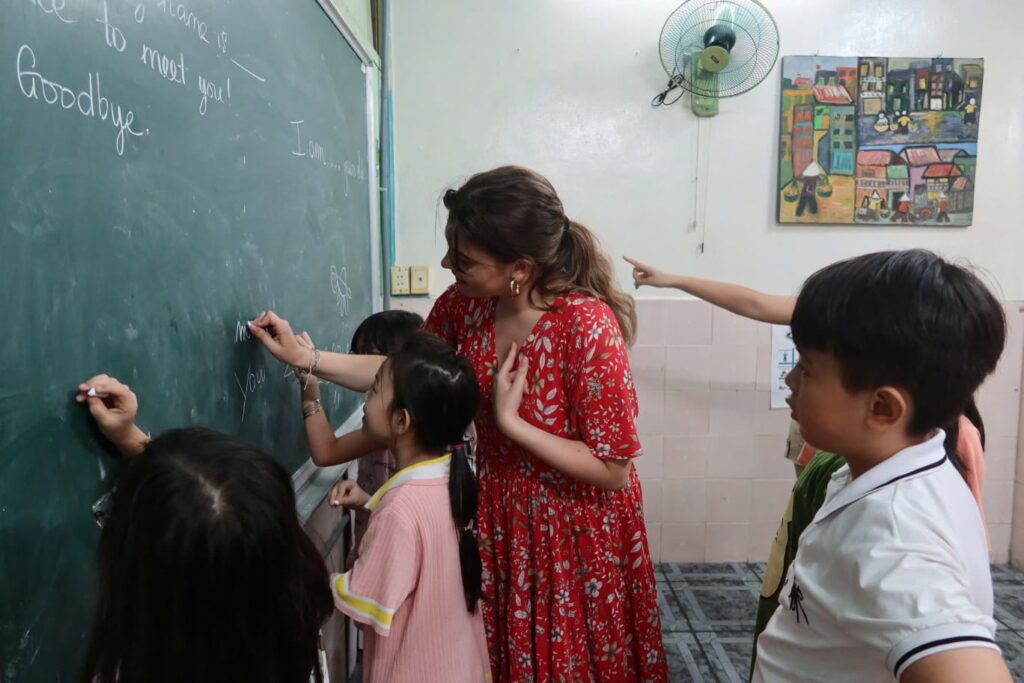
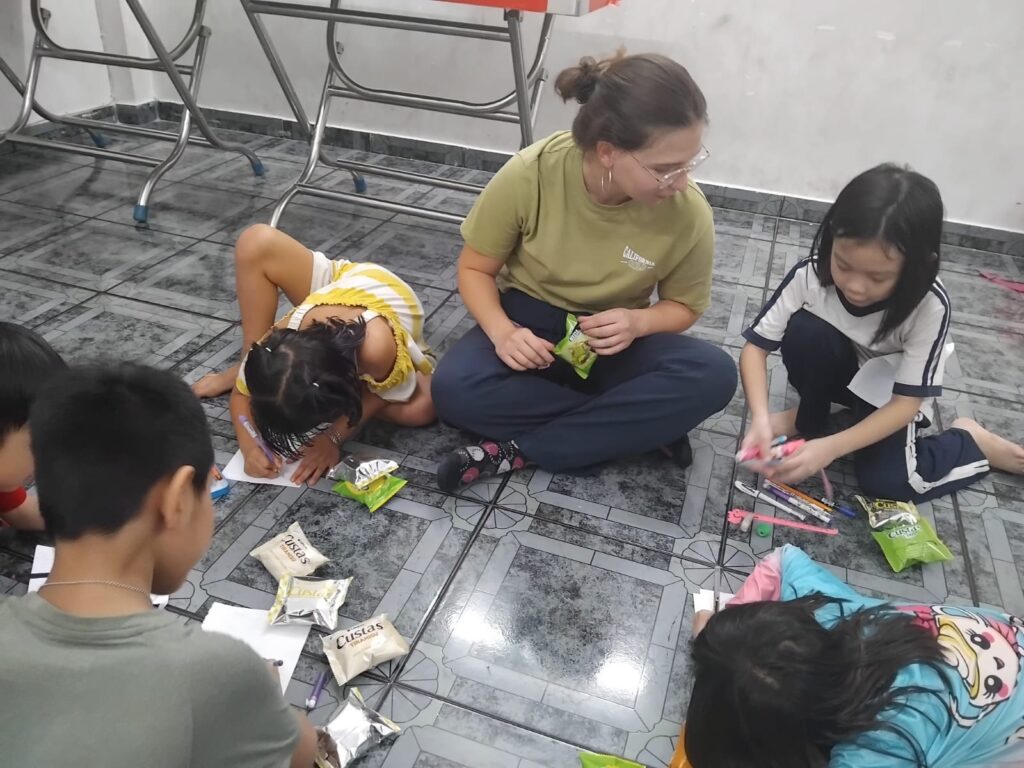
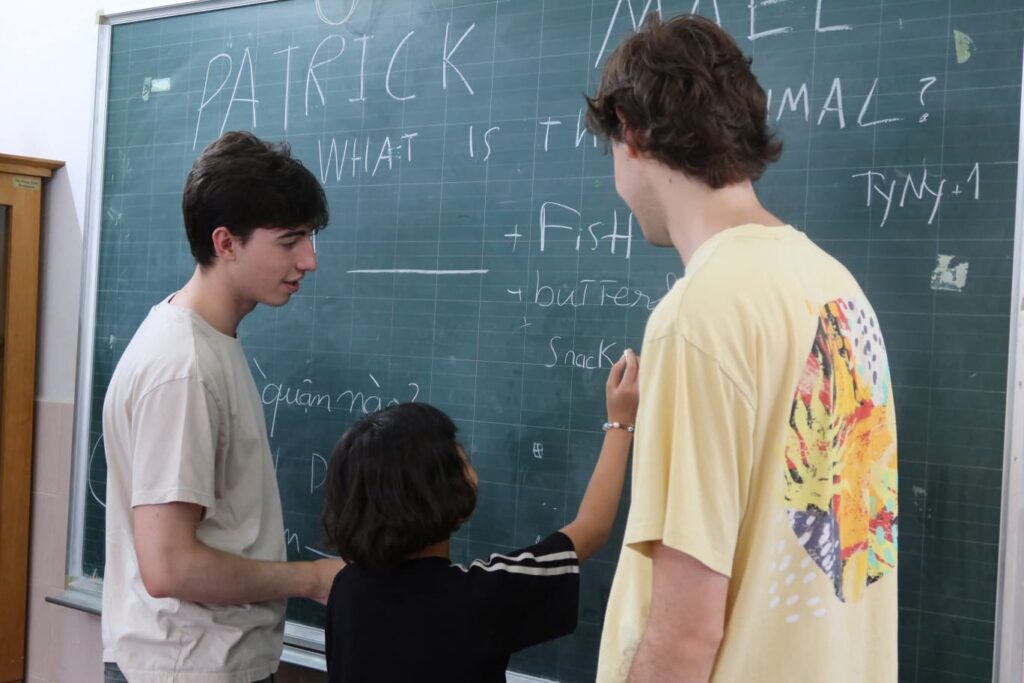
What volunteers do: International volunteers deliver fun, interactive English lessons, using games, songs, and simple projects to build language skills and self‑confidence. Classes are intentionally small so each child receives attention and encouragement.
Level 1 — Ages 7–10: focus on basic vocabulary, phonics, simple sentences, listening and speaking through play and storytelling.
Level 2 — Ages 11–14: focus on conversational practice, reading comprehension, basic grammar, and confidence‑building activities suited to early adolescents.
Small, consistent classes improve language skills, school readiness, and self‑confidence during critical developmental years.
Volunteers gain practical teaching experience, cross‑cultural exchange, and the satisfaction of contributing to long‑term educational outcomes.
The program strengthens community ties by pairing international skills with local expertise.
© 2025 All rights reserved